
Beşiktaş Safiye Sultanzadeler Cemetery
Historical Context, Definition and Cultural Value
1. Location and Urban Context
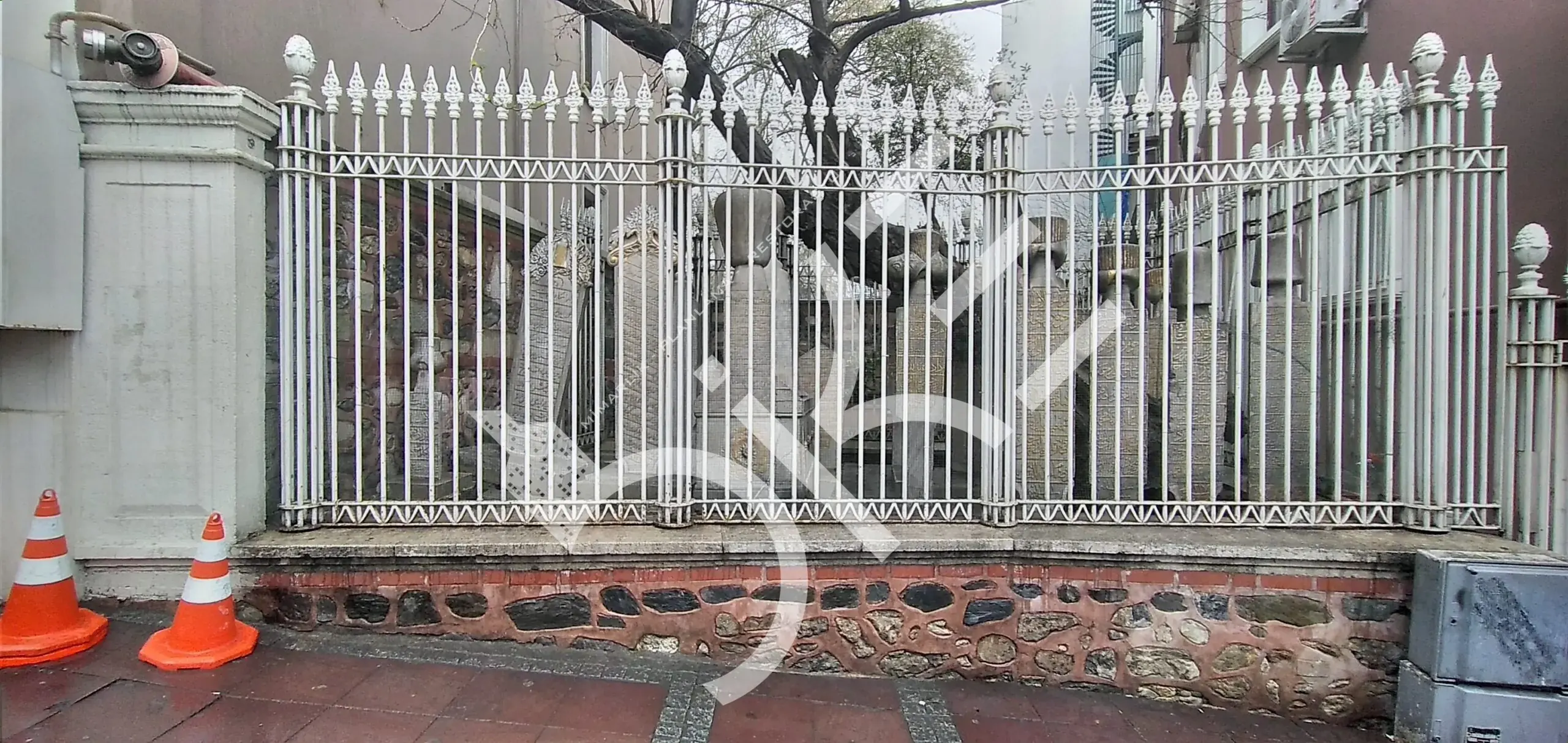
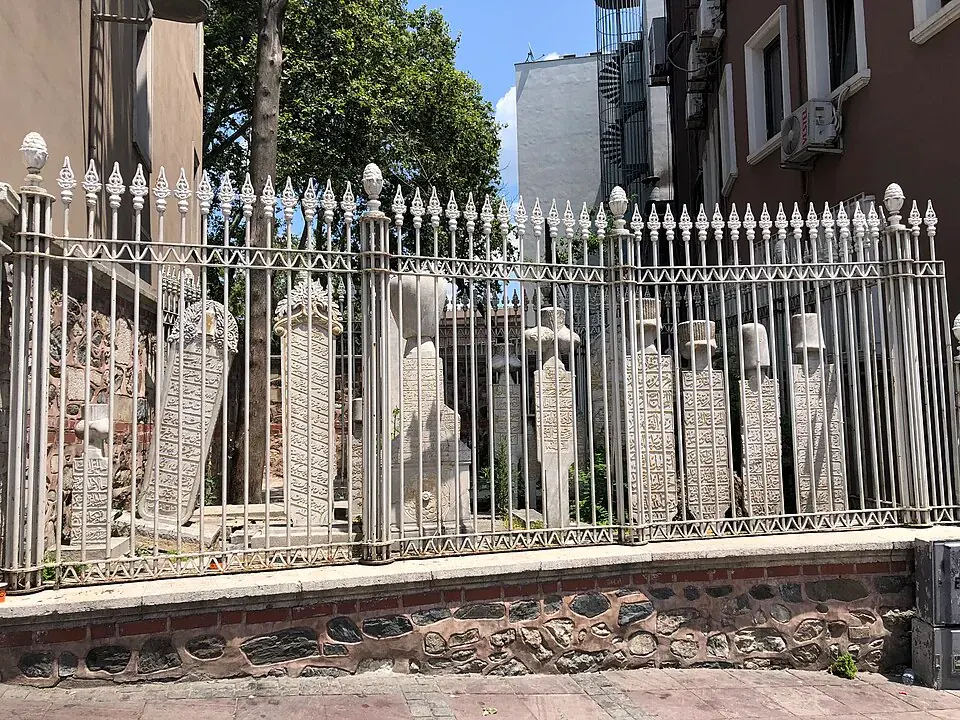
The Safiye Sultanzadeler Cemetery is located in Beşiktaş district of Istanbul, within the boundaries of Sinan Paşa neighbourhood, at the point where the Akaretler slope divides into Süleyman Seba Street and Şair Nedim Street. The cemetery lies in a narrow, railed area between two buildings in the zone of the restored Akaretler row houses.
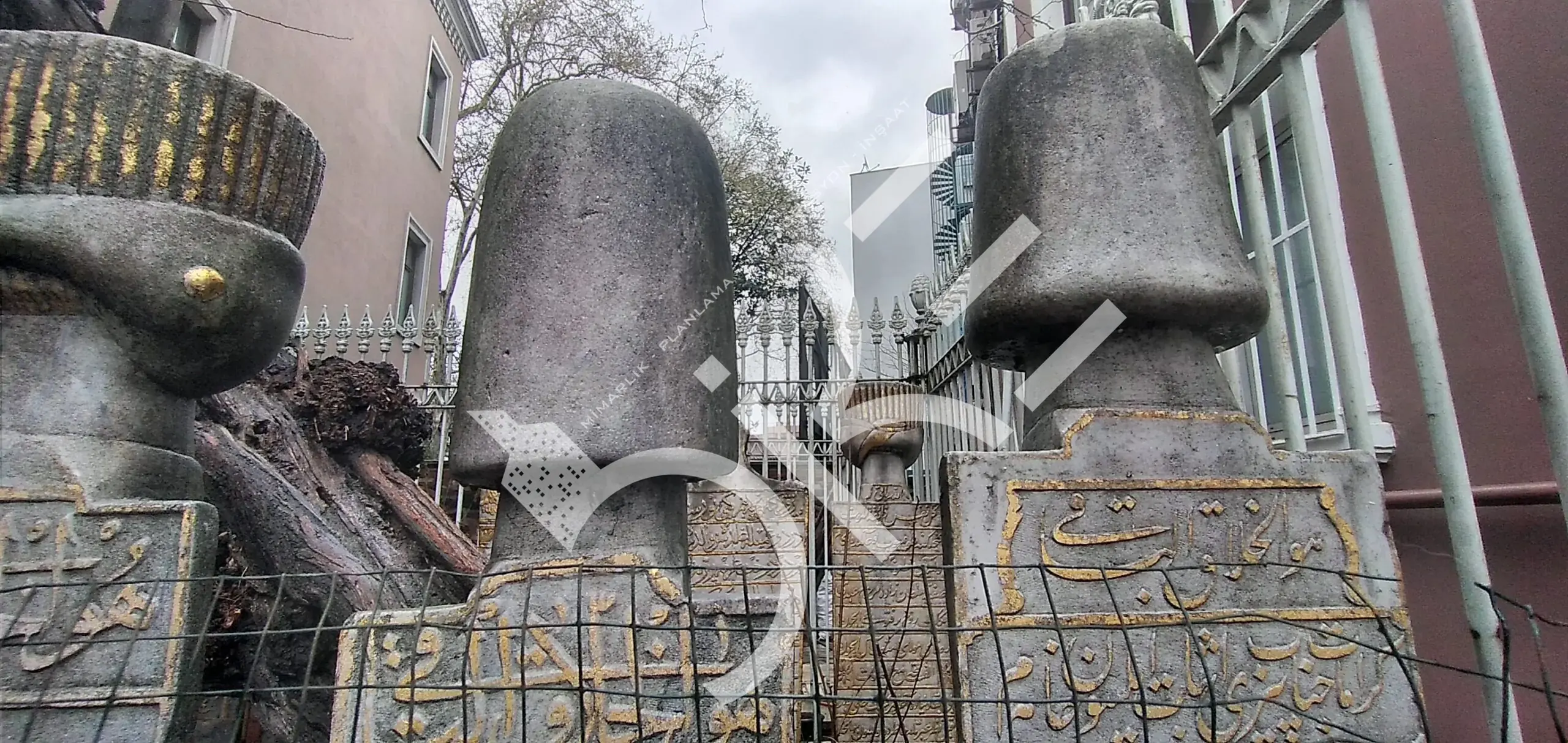
Although confined to a limited area within the urban fabric, the cemetery today presents a well-maintained appearance. Tombstones have been cleaned, inscriptions made legible and railings renewed. In this respect it differs from the neglected cemeteries often encountered around mosques in Istanbul.
2. The Concept of Hazire
The term "hazire" refers to small cemetery areas, usually enclosed by railings, located in the garden or adjacent to places of worship and education such as mosques, masjids or complexes. Those who had these structures built were buried there facing the qibla; over time family members were also buried there, forming hazires. Hazires often contain a tomb, open sarcophagus or symbolic grave layout.
3. Those Buried There
In the Safiye Sultanzadeler Cemetery in Beşiktaş Sinan Paşa neighbourhood, a total of twenty people from the family are buried, including Sultanzade Mehmet Rezmi Bey, who is estimated to have been born between 1645 and 1650.
The title "Sultanzade" was given in the Ottoman dynasty to male offspring of the sultans’ daughters. Unlike princes, Sultanzades could not claim the throne; their spouses and children also had no place in state protocol. In later periods this title began to be used together with the epithet "Beyefendi".
4. Life and Art of Sultanzade Mehmet Rezmi Bey
Sultanzade Mehmet Rezmi Bey was a 17th-century poet, artist and multifaceted intellectual with an interest in music. He also engaged with painting and built his artistic life on literary and aesthetic production. His only surviving work, his Divan, contains 786 poems in various verse forms.
Although his pen name "Rezmi" carries martial connotations, his works are marked by a sensitive and emotional tone. His poems frequently deal with:
- His family,
- His environment and residence (köşk),
- Themes of love and affection.
In terms of language, he preferred Turkish words and popular expressions of the period over the classical style weighted with Arabic and Persian. In this respect his poetry offers a narrative closer to the everyday life of the time.
5. Poetic Approach and Literary Aim
Sultanzade Mehmet Rezmi Bey stated that his main aim in writing poetry was to leave a lasting work for which readers would pray for him. This approach shows a moral and spiritual concern in his verse. The couplets in his Divan emphasise that poetry is a means of directing people towards good and prayer.
6. Cultural and Spatial Value
The Safiye Sultanzadeler Cemetery is not only a burial ground; it is an important cultural heritage site bearing the traces of 17th-century Ottoman intellectual life, literary production and a family linked to the court. In terms of its location, when considered together with the nearby Şairler Sofası Park, the area displays an integral character in terms of literary and artistic memory.
7. Assessment
Despite its limited physical scale, the Safiye Sultanzadeler Cemetery is one of Istanbul’s significant hazires in terms of the historical, literary and cultural values it holds. Thanks to its surviving tombstones, inscriptions and regular maintenance, it provides important data on Ottoman-period civil funerary architecture and the social structure of the elite outside the dynasty. With its position in the city and its preserved state, it is a substantial cultural asset that carries historical continuity into the present.
Images
Questions about this project? Get in touch
← Back to Restoration Projects