
Great Piyale Pasha Complex
Piyalepaşa / Istanbul
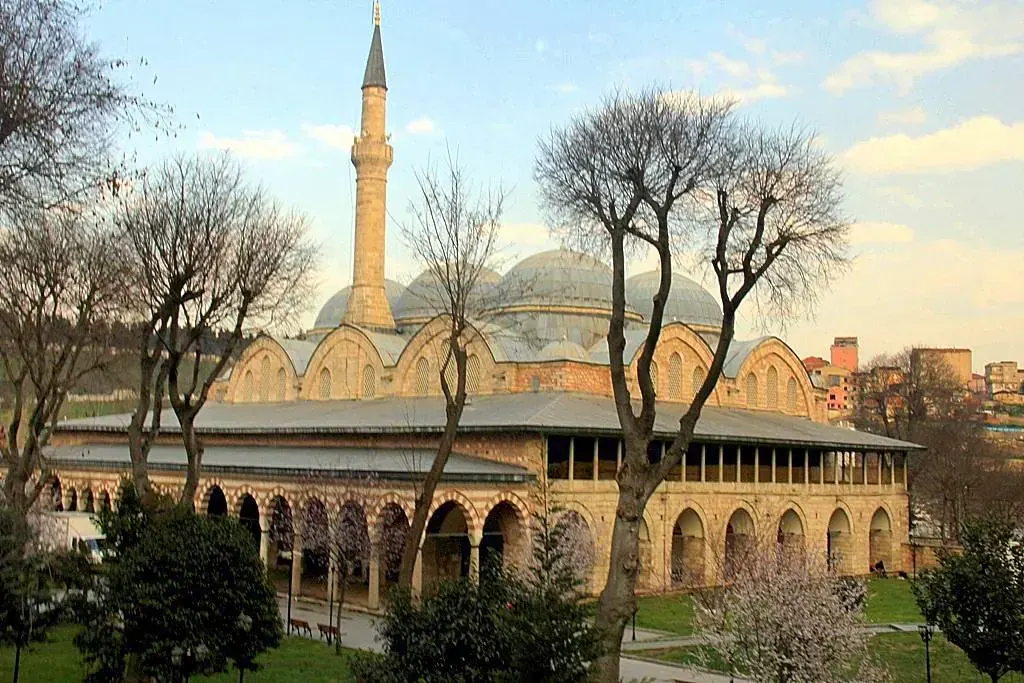
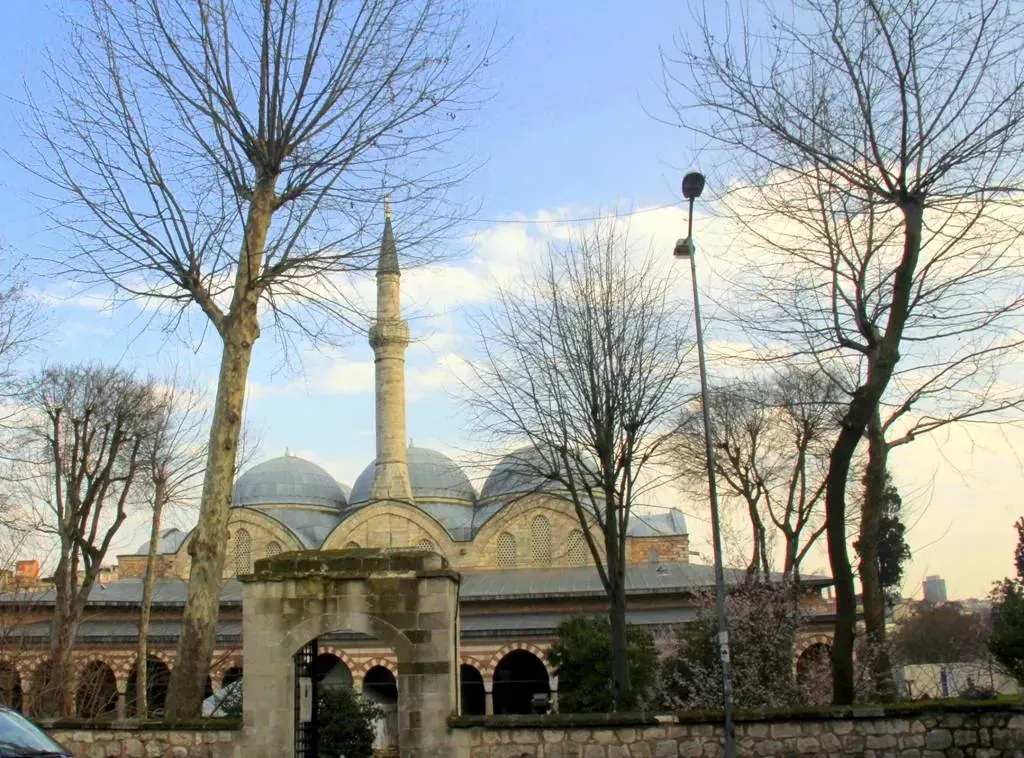
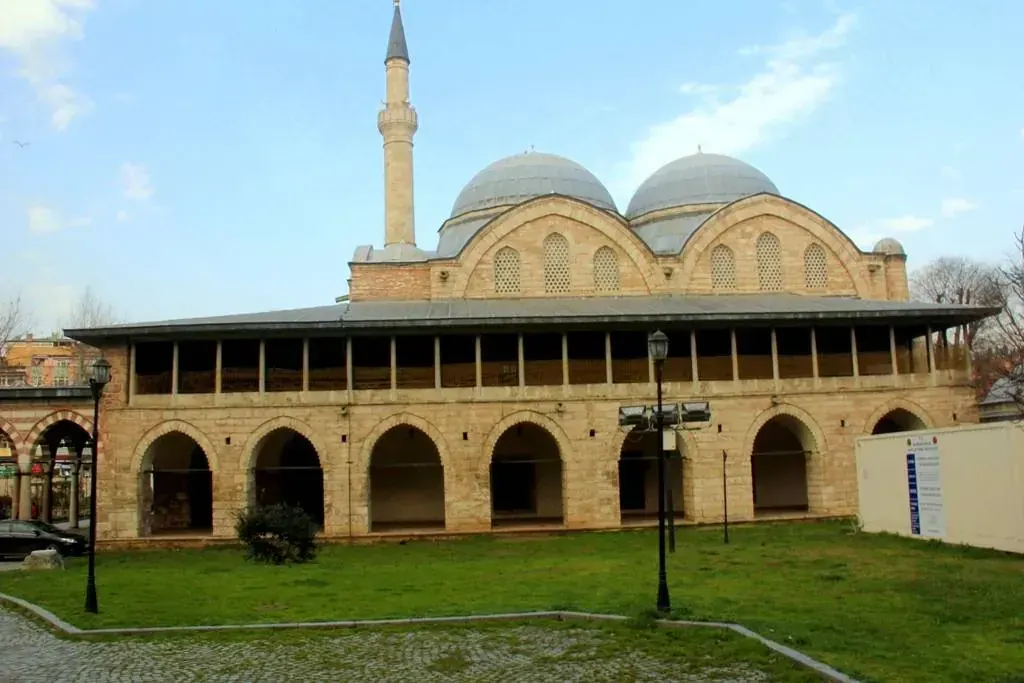
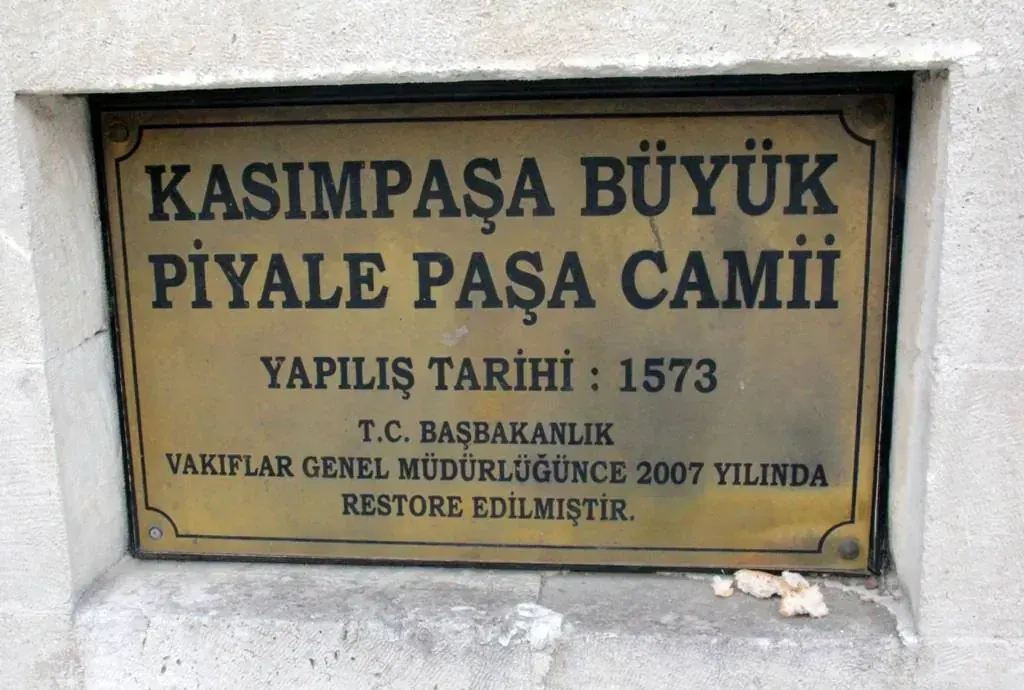
Located on Kasımpaşa Piyalepaşa Boulevard on the Rumeli side of the Bosphorus in Istanbul, the Great Piyale Pasha Complex was built by Mimar Sinan in 1573 for Piyale Pasha. The complex founded by Piyale Pasha—son-in-law of Selim II—consisted of a mosque, primary school, bath, fountain, dervish lodge, tomb and bazaar. Of this integrated building group, only the mosque and tomb have survived to the present day.
Patron: The Life and Historical Role of Piyale Pasha
Born in 1515, Piyale Pasha was taken into the Enderun as a devşirme after the Battle of Mohács and rose rapidly through the ranks of the Ottoman state with the education he received there. As Kapudan Pasha (Grand Admiral) for fourteen years, he was one of the leading military figures of the period when Ottoman naval power in the Mediterranean reached its zenith.
He won important victories in campaigns around Spain, Italy and the Mediterranean islands, notably at the Battle of Djerba (1560), and played a decisive role in bringing Chios, Djerba and many smaller islands under Ottoman rule. He later rose to the rank of vizier, died in 1578 and was buried in the tomb beside the mosque he had built in his name in Kasımpaşa.
Architectural Layout and Spatial Features
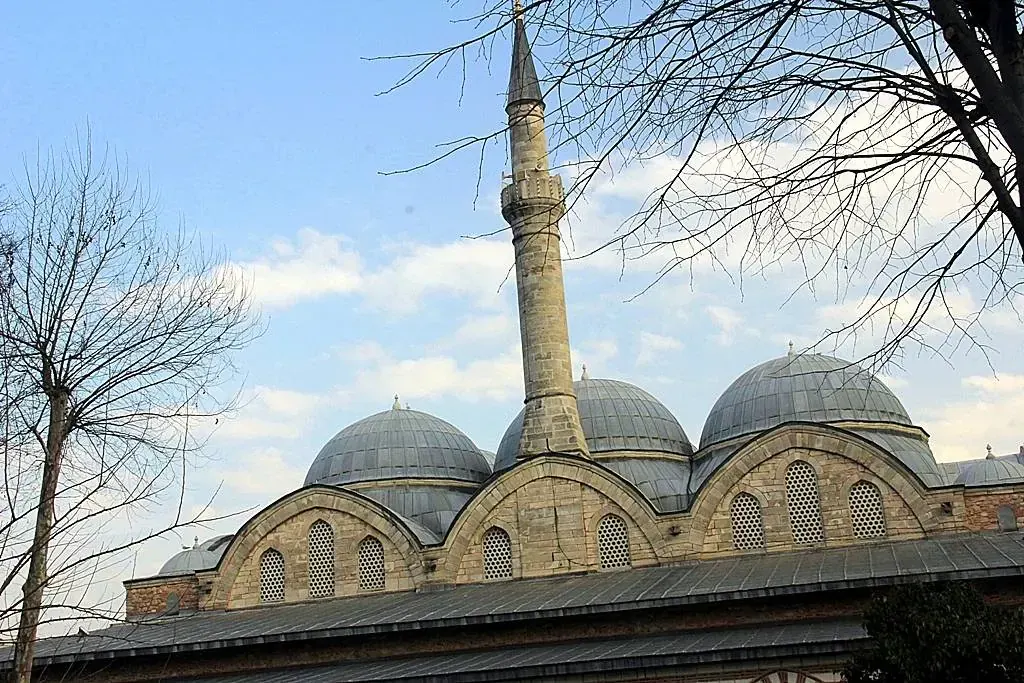
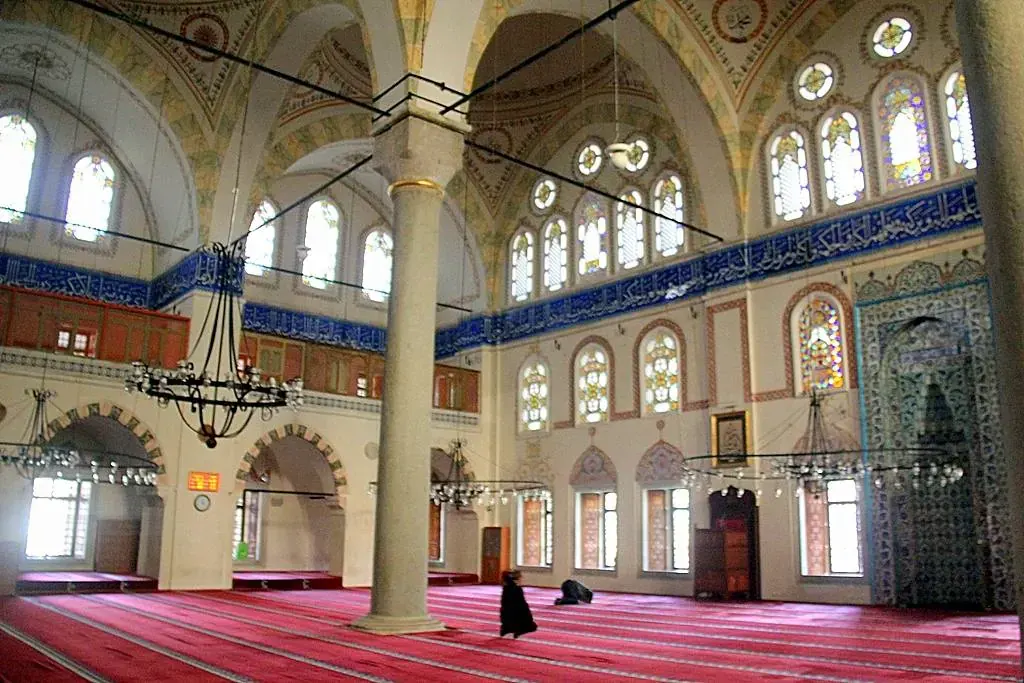
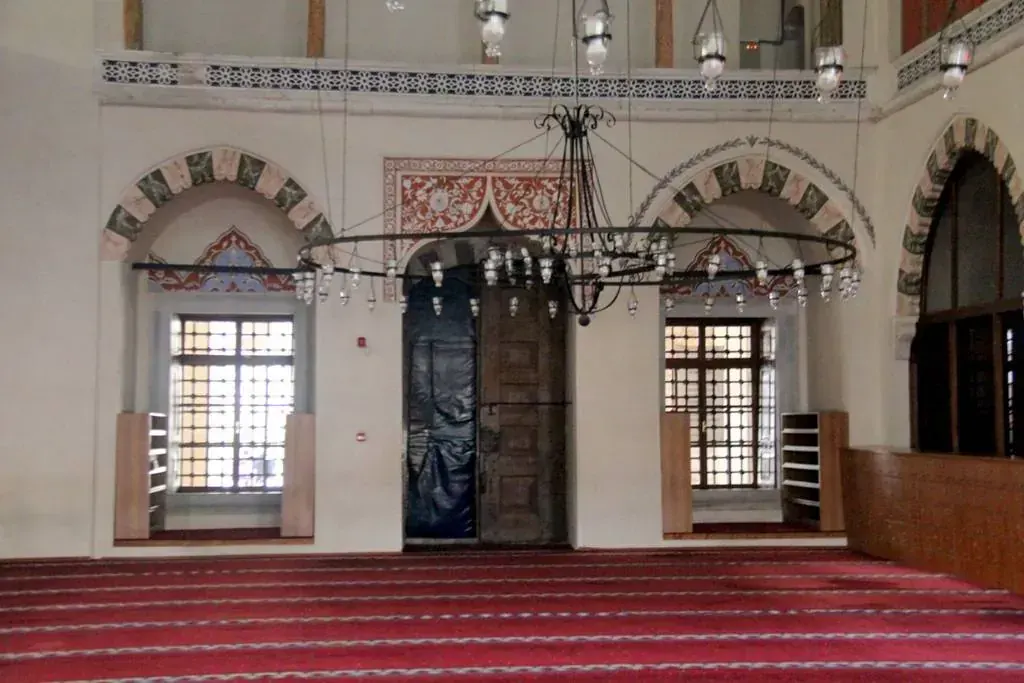
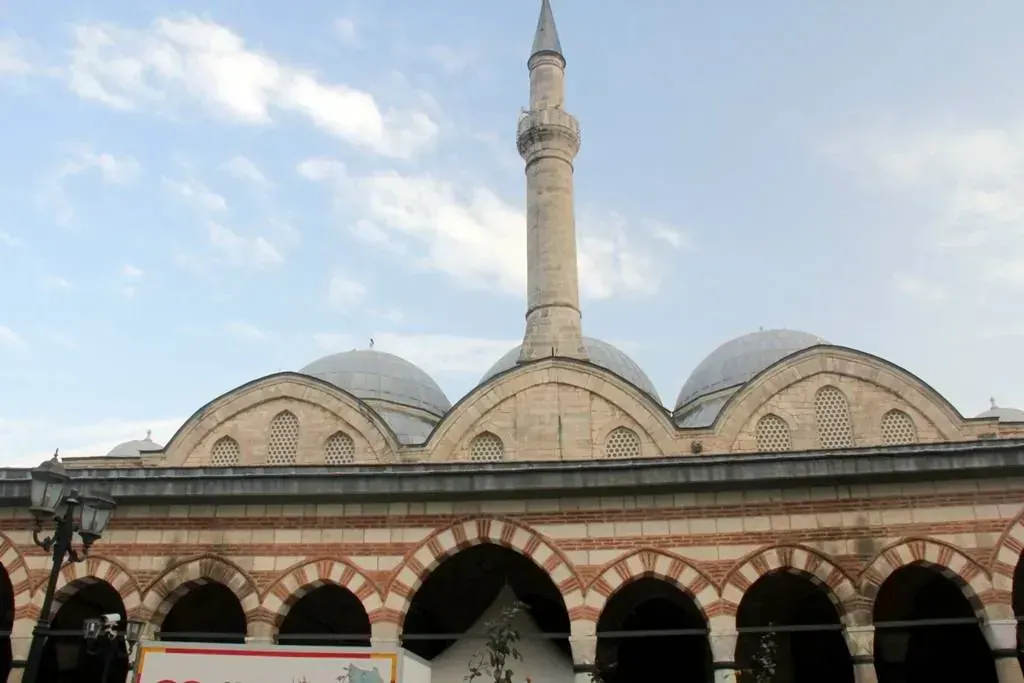
The Great Piyale Pasha Mosque was built on a plot of 55 × 45 m. Cut küfeki stone and rubble were used together in the wall construction. The prayer hall, measuring 30.50 × 19.70 m, is covered by six domes of equal size, each approximately 9 m in diameter.
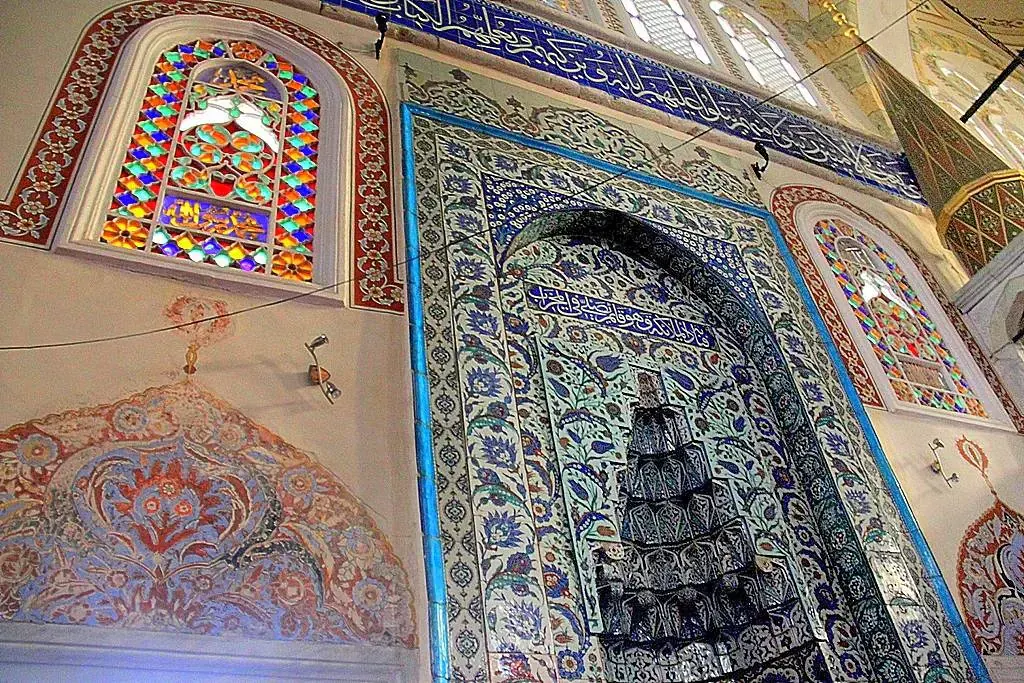
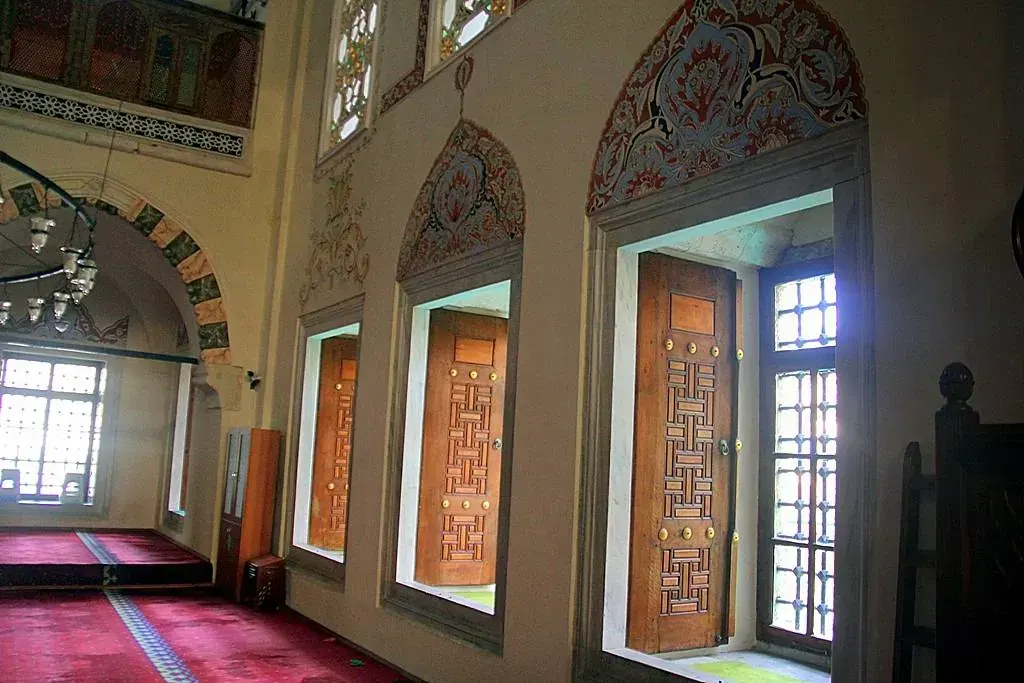
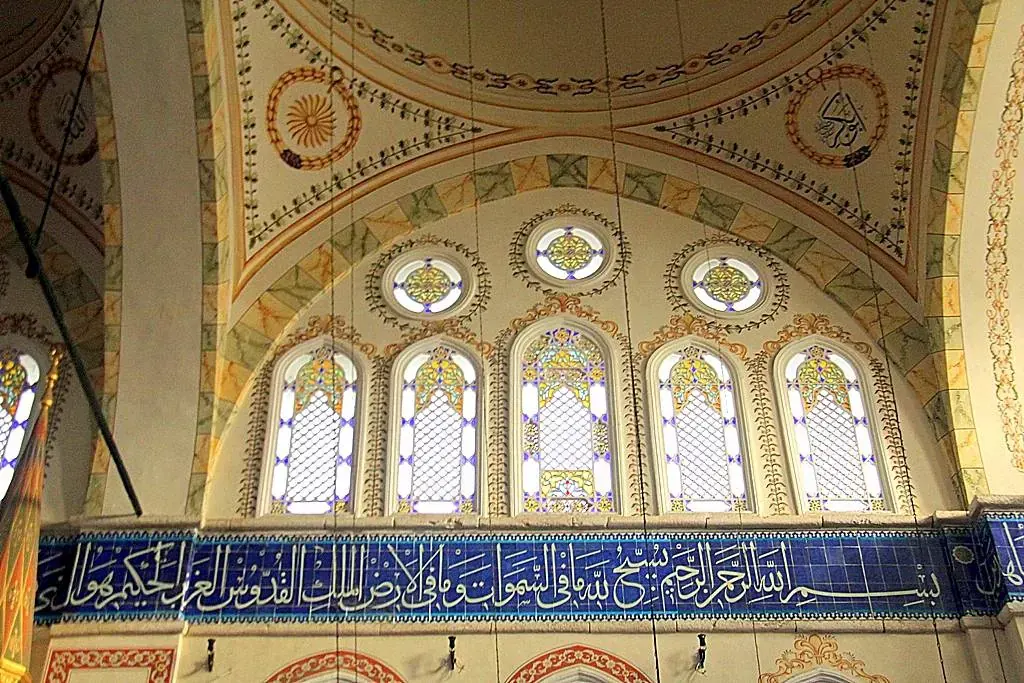
The brick dome and vault system rests on two granite columns and piers by means of pendentives. The window openings arranged in three rows create a bright and balanced atmosphere in the interior.
Decorative Programme
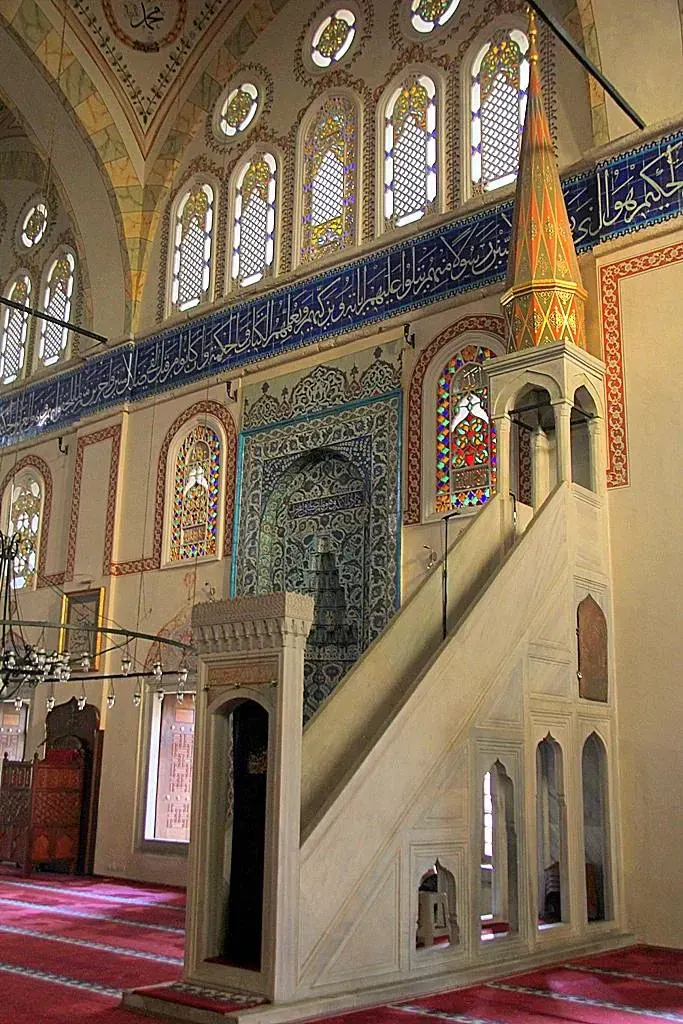
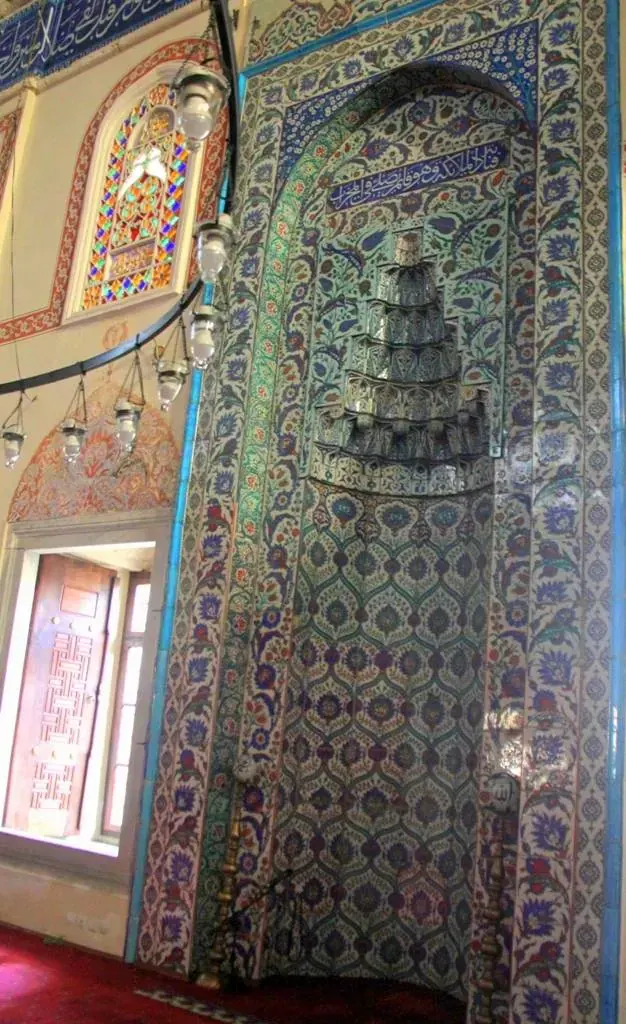
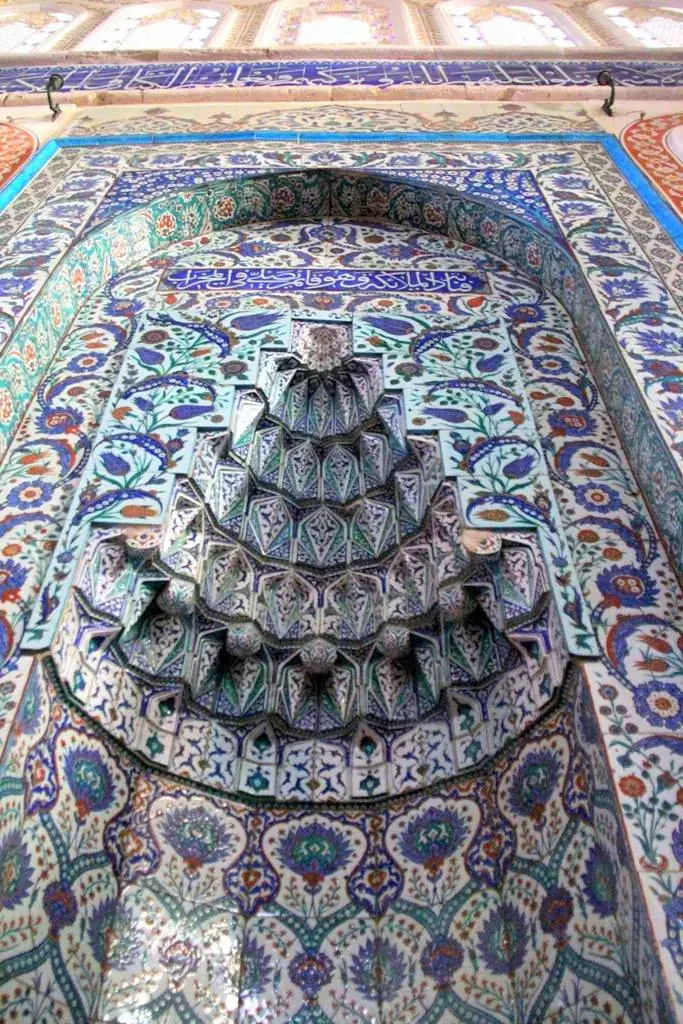
The mihrab of the mosque is decorated with floral İznik tiles. The tile inscription band above the arch frame that carries the domes is among the most striking decorative elements of the building. The calligraphy of this band is by Çerkez Hasan Çelebi.
In contrast to the rich decorative treatment of the mihrab, the marble minbar is kept very plain, thus preserving the measured ornamental approach characteristic of classical Ottoman architecture.
Minaret and Tomb
The mosque's single-gallery minaret rises on the mihrab axis instead of the usual lateral position, and in this respect represents one of Sinan's rare experiments.
The octagonal tomb, in which the patron Piyale Pasha is also buried, is notable for its plain architecture. The tomb contains thirteen graves in total: three cenotaphs and ten marble sarcophagi.
Assessment
With its multi-dome prayer hall layout, minaret placed on the mihrab axis and balanced decorative approach, the Great Piyale Pasha Mosque holds a distinctive place among Mimar Sinan's classical period experiments. Although much of the complex has not survived to the present, when the mosque and tomb are considered together the building stands as an important Istanbul monument that gives architectural expression to the military and political power of Piyale Pasha, one of the emblematic figures of Ottoman naval strength.
Images
Questions about this project? Get in touch
← Back to Restoration Projects