
Çatalca Kalfaköy Bath
Historical Context, Architectural Features and Repair Process
1. Settlement and Historical Background
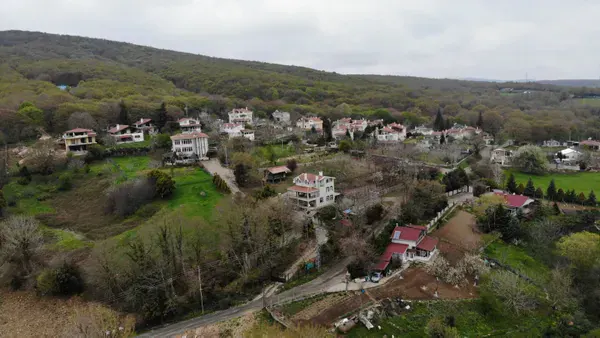
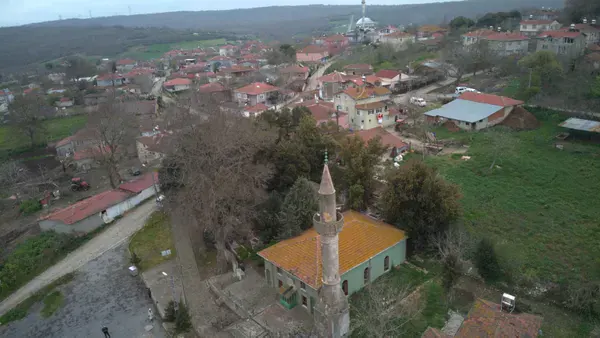
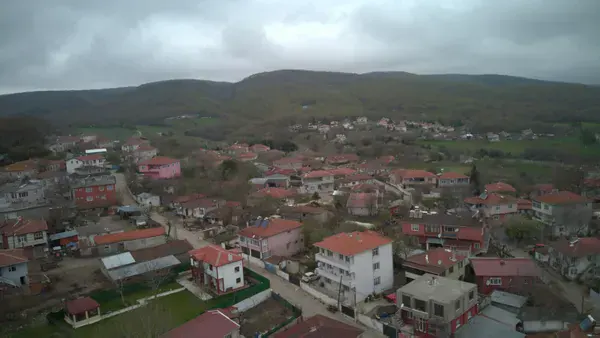
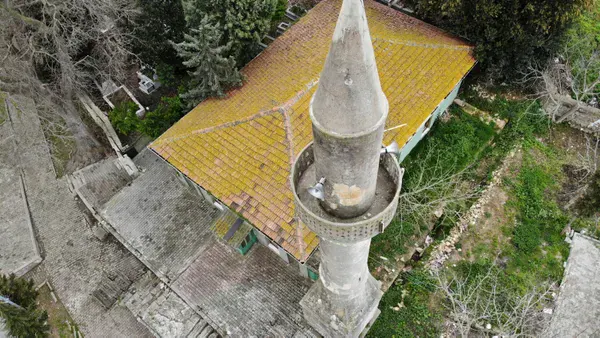
Kalfaköy (formerly Halife Köyü) is one of the settlements in Istanbul's Çatalca district whose origins extend to the pre-Ottoman and early Ottoman period. The village is known to have been founded by Turkish families from Khorasan and to have been equipped in the Ottoman period with public structures such as mosque, tomb, bath and fountains. In the early years of the Republic the village name was changed to Kalfaköy.
Çatalca Kalfaköy Bath, as one of the important public structures of this historical settlement, is a building dated to the Ottoman period and playing a central role in the social life of the village.
2. History of the Structure
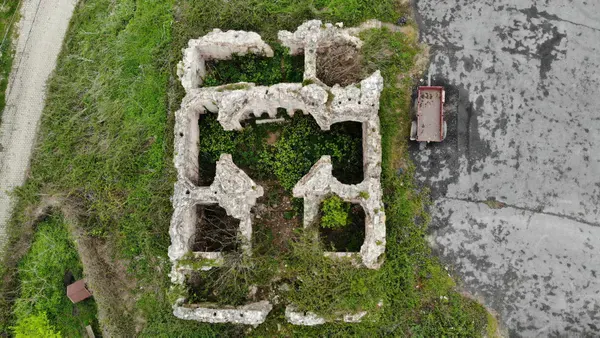
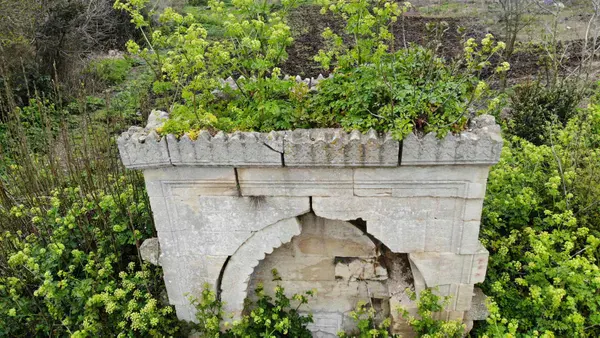
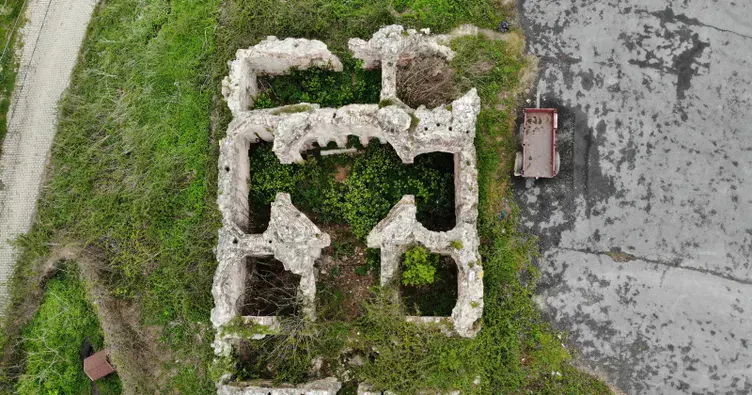
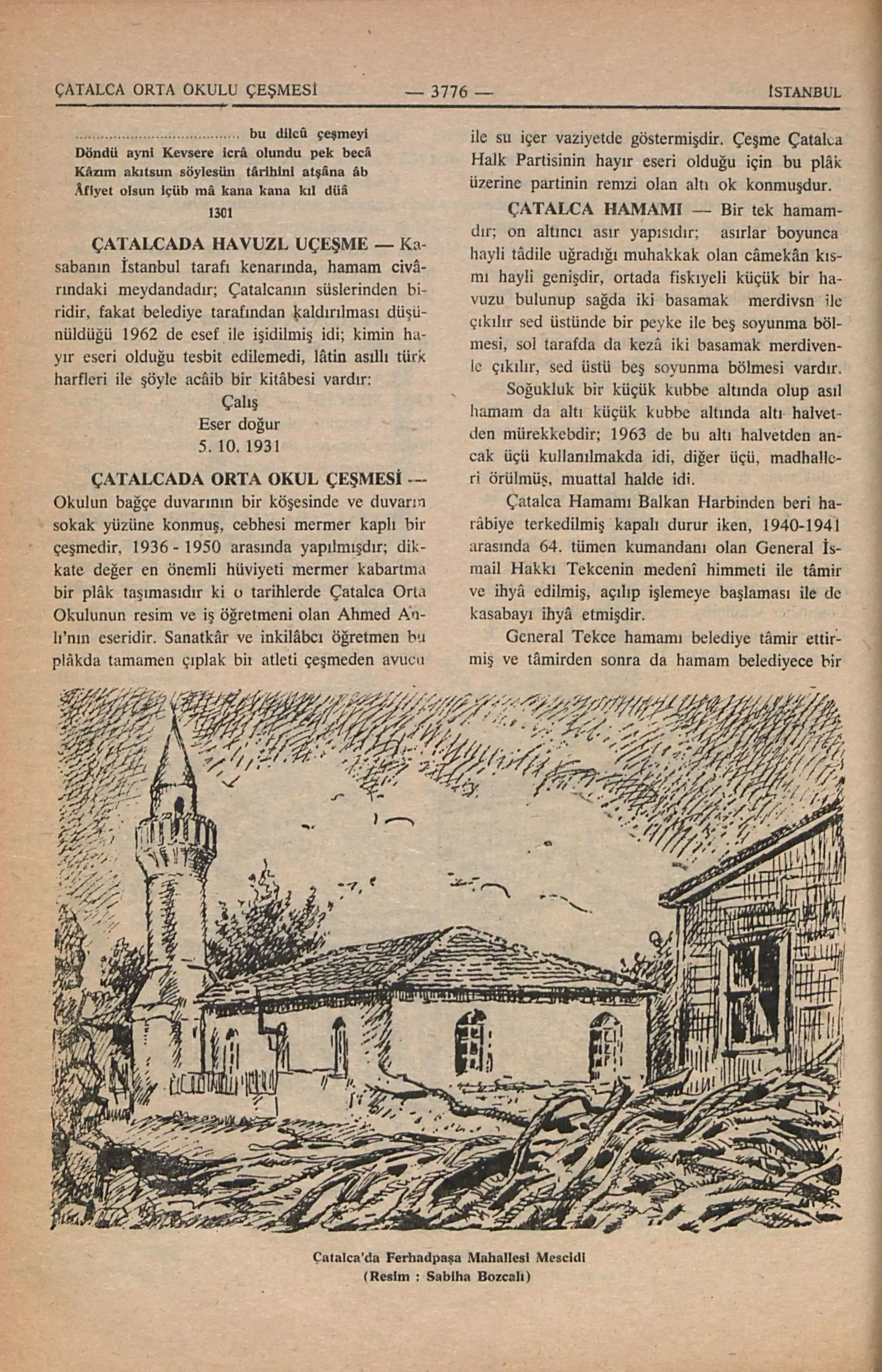
Çatalca Kalfaköy Bath is dated to the 16th century. The structure is understood to have undergone various alterations and repairs over the centuries. After the Balkan Wars the bath was abandoned and remained closed for a long time, during which the structure fell into ruin.
The bath was repaired in 1940–1941 on the initiative of the military authorities of the period; it was put back into use and began to function again. After this repair the structure contributed to economic and social vitality on a town scale.
3. Architectural Features
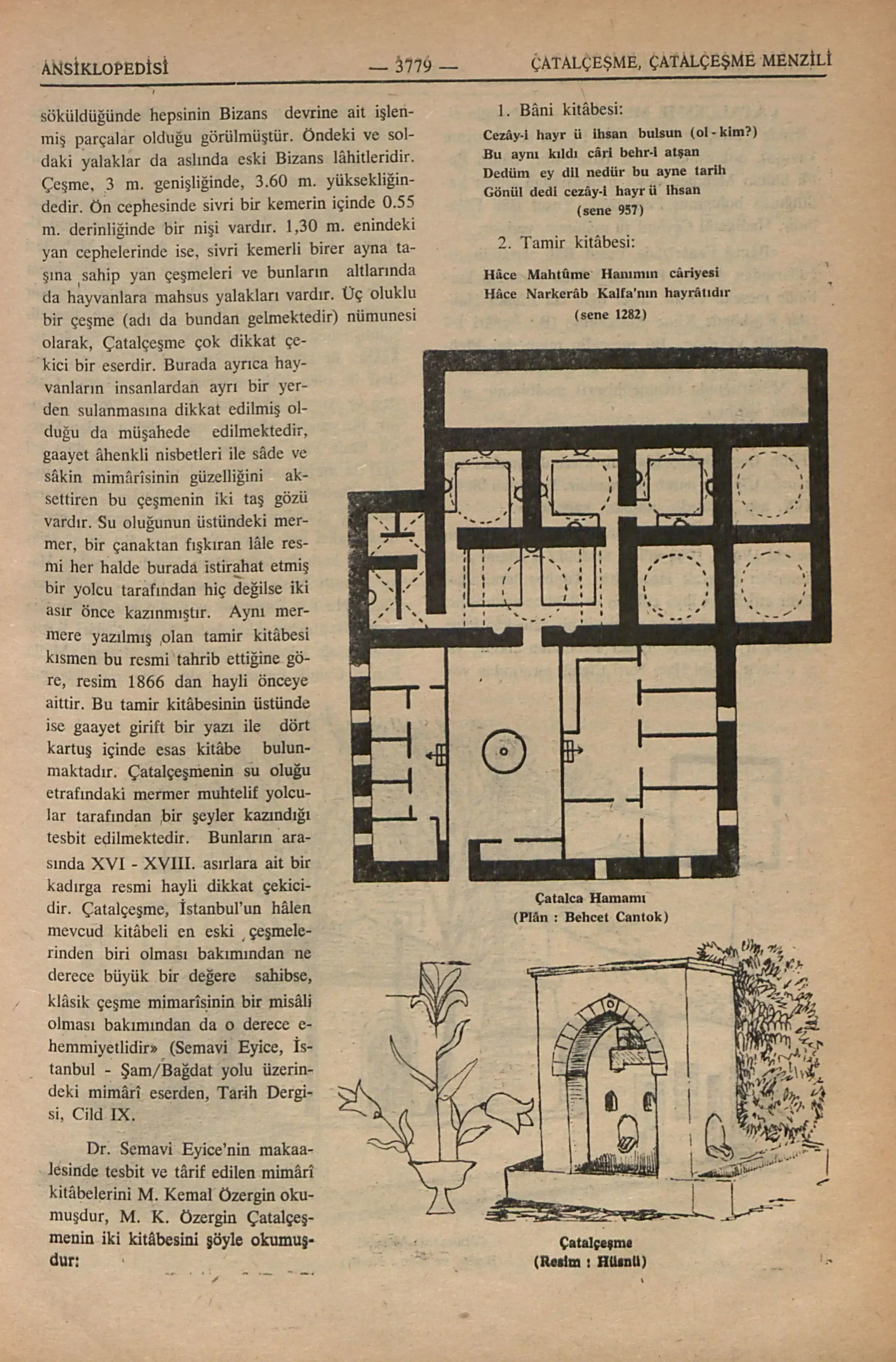
Çatalca Kalfaköy Bath is of the single-bath typology. The architectural layout of the structure consists of the following units:
Entrance hall (camekân / undressing room): A fairly large space with a small fountain pool in the centre. On raised platforms (sed) reached by two-step stairs on the right and left, there are five undressing cubicles on each side.
Cool room (soğukluk): This section, covered by a small dome, is arranged as a transition space between the entrance hall and the hot room.
Hot room (sıcaklık): The main bath space is covered by six small domes and consists of six private cells (halvet). As of 1963 only three of these cells were in use; the entrances to the other three had been blocked and they were out of use.
4. Operation and Ownership Process
After the repair carried out in 1940–41, the bath was repaired by the municipality and leased for operation. Once the structure became an income-generating public facility, the Directorate of Foundations claimed ownership; this led to disputes between the municipality and the Directorate of Foundations over ownership and operation.
In the 1960s rumours circulated that the bath would be transferred to private ownership and sold and that a different structure would be built in its place. In 1962 the bath was still in operation and the attendant service was also provided by the same person.
5. Assessment
Çatalca Kalfaköy Bath is one of the limited number of rural Ottoman baths surviving from the 16th century to the present and is an important structure both in terms of architecture and social history. With its single-bath typology, multi-domed hot room layout and spacious entrance hall, it offers a simple but functional example of classical Ottoman bath architecture. The long period of abandonment followed by repair and operation clearly reveals the transformations the structure underwent and its place in public memory.
Images
Questions about this project? Get in touch
← Back to Restoration Projects