
Fatih Mosque Karadeniz Madrasas (Bahr-i Siyâh)
Historical Context, Layout, Architectural Features and the Karadeniz Madrasa Cistern
1. Position Within the Complex and Institutional Role
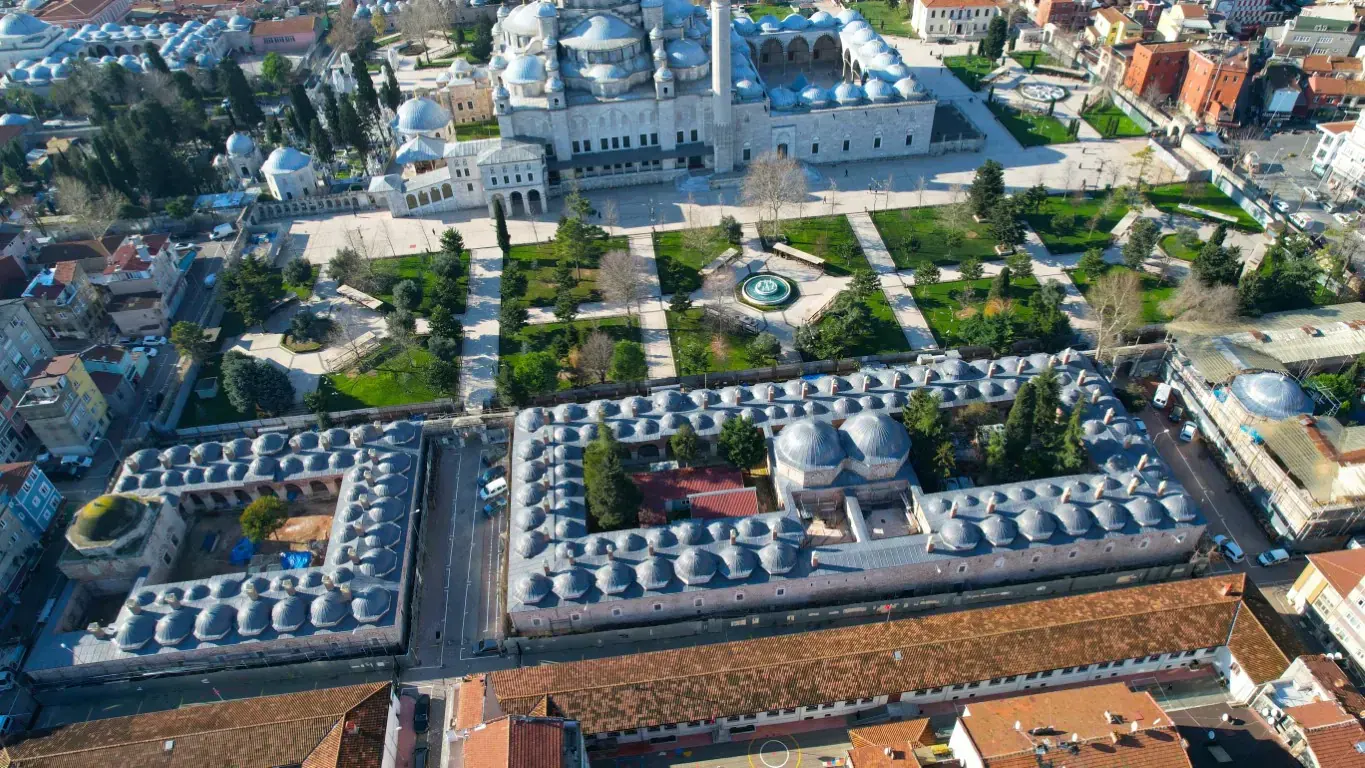
The Fatih Mosque and Complex founded by Mehmed the Conqueror was planned within a symmetrical urban layout; the main madrasas flanking the mosque were designed as one of Istanbul's foremost centres of learning. These main madrasas were known as Sahn-ı Semân and formed the educational backbone of the complex. The placement of the madrasas on either side is directly related to the symmetrical character of the layout with the mosque at the centre.
Within the Sahn-ı Semân madrasas, the group on the Golden Horn side was called "Bahr-i Siyâh (Black Sea) madrasas" and the group on the Marmara side "Bahr-i Sefîd (Mediterranean) madrasas". The Karadeniz madrasas are thus the complex's educational units on the Golden Horn side.
2. Madrasa Layout and Naming of Units
The large madrasas on the Karadeniz (Bahr-i Siyâh) side were named along the line extending from Saraçhanebaşı toward Edirnekapı, and each of these madrasas continued to function as places of education with a cell–lecture hall layout. The complex also included Tetimme (preparatory) madrasas serving the main madrasas; over time these buildings were largely lost due to road works and new construction.
3. Architectural Layout and Planning Principles
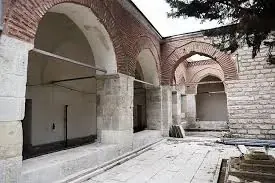
Within the general madrasa typology, the Karadeniz madrasas follow a layout comprising:
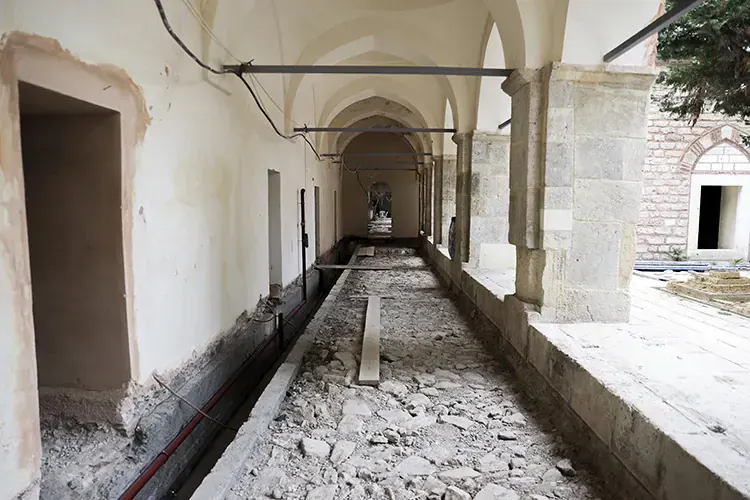
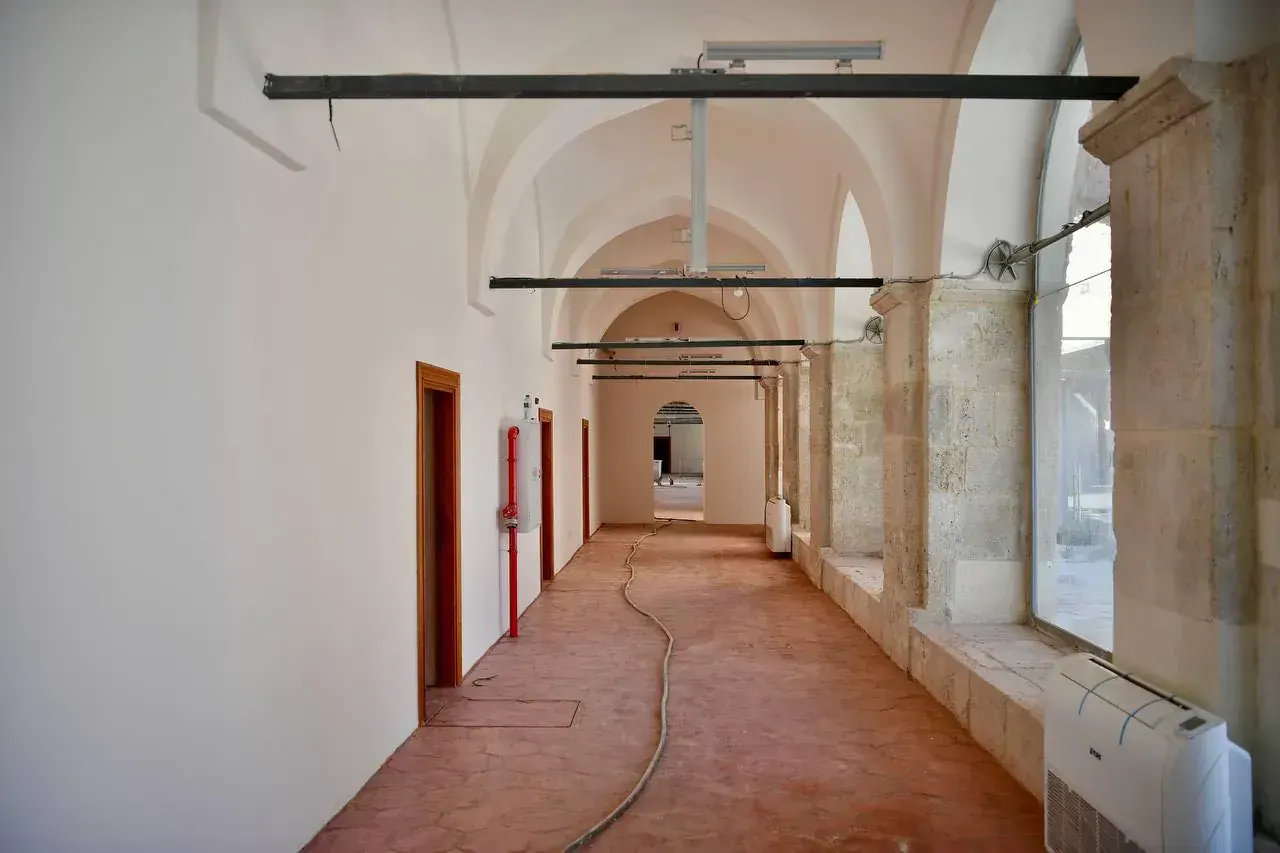
- An arcaded courtyard as the organising element,
- Nineteen cells and
- One large domed lecture-hall–masjid unit.
Built in stone and brick, the courtyard arrangement of these structures is one of the key components supporting the complex's symmetrical and institutional unity.
4. Earthquakes, Damage and Later Phases
The Fatih Complex was repeatedly affected by major Istanbul earthquakes; it is recorded that in the 1766 earthquake the complex units suffered extensive damage together with the mosque. While some units were neglected in this period, the madrasas are said to have been repaired more quickly together with the mosque.
With the disappearance of the Tetimme madrasas and changes in surrounding levels and earthworks, the structural equilibrium of parts of the complex may have been adversely affected; the surviving large madrasas are stated to have been maintained since 1955 through periodic repairs and various uses.
5. Relation to the Karadeniz Madrasa Cistern
The notable substructure in the context of the Karadeniz madrasas is the Karadeniz Madrasa Cistern. This cistern is located at a lower level under the garden on the Golden Horn side of the Fatih Mosque; it is stated that the madrasa unit stands above it. Thought to have been built in the Byzantine period, the cistern is considered to have served as an infrastructure element meeting the area's water needs in the past.
The cistern is reported to be 51 m long and 35 m wide and to be supported by 43 columns. Its alignment is described as running from the direction of the Çifte Baş Kurşunlu and Çifte Ayak Kurşunlu madrasas toward the northwest of the Fatih Mosque courtyard.
6. Traces of Use, Physical Condition and Observations
A document dated 1851 is said to record the Karadeniz Madrasa Cistern; on the other hand, it is not distinctly marked on 19th-century waqf water conduits and Pervititch maps, which is taken to indicate that it was not in use at that time.
Surveys in 1939 found rubble and tree roots inside the cistern; the space was reported to be airless and foul-smelling. In the current state the cistern is said to be filled with water up to the column capitals, with a documented depth of 4 metres; the clarity and chlorine smell of the accumulated water suggest it may be mains supply. The bonding and joint character are said to allow the cistern to be identified as an original Byzantine structure.
7. Restoration Process and Intended Function
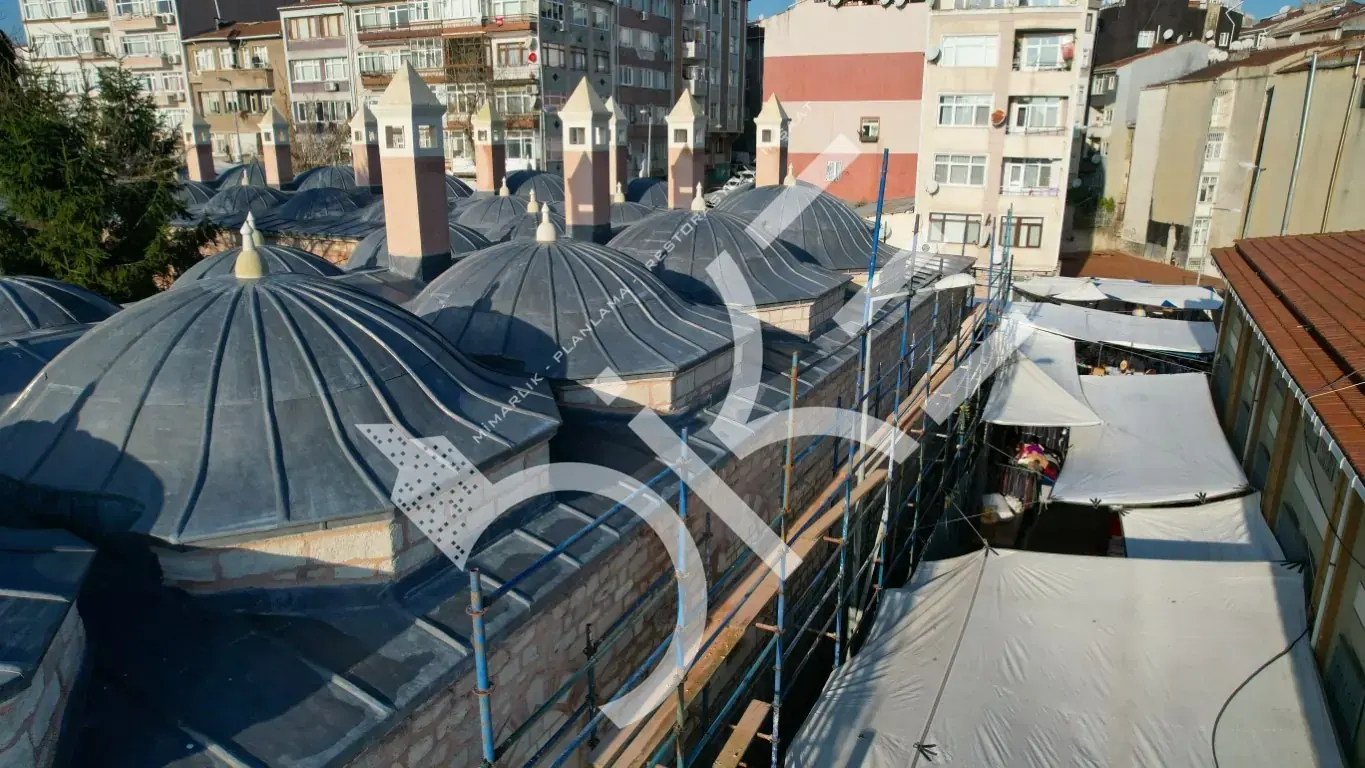
Restoration work on the Karadeniz Madrasa is stated to have begun in March 2022; within this scope, later additions were removed, door and window joinery was continued in the original technique, original shutters were cleaned, plaster (nefaset plaster) work was completed, strengthening work was largely finished and lead work was nearing completion; floor work was brought to a state ready for Horasan screed.
After the restoration is completed, the Karadeniz Madrasa Cistern is also intended to be restored and opened to tourism. Collapsed sections are reported in the further part of the cistern; during restoration these sections are to be rebuilt and the structure improved.
8. Assessment
The Fatih Mosque Karadeniz Madrasas (Bahr-i Siyâh) are the main teaching units of the complex on the Golden Horn side within its educational layout. While they represent architecturally the cell–lecture hall arrangement around an arcaded courtyard, together with the Karadeniz Madrasa Cistern below they show that the complex carries a multilayered cultural heritage not only in its upper-scale educational buildings but also in its infrastructure. Completing the madrasa restoration and safely improving and opening the cistern will strengthen the coherent readability of this layered heritage.
Images

Questions about this project? Get in touch
← Back to Restoration Projects