
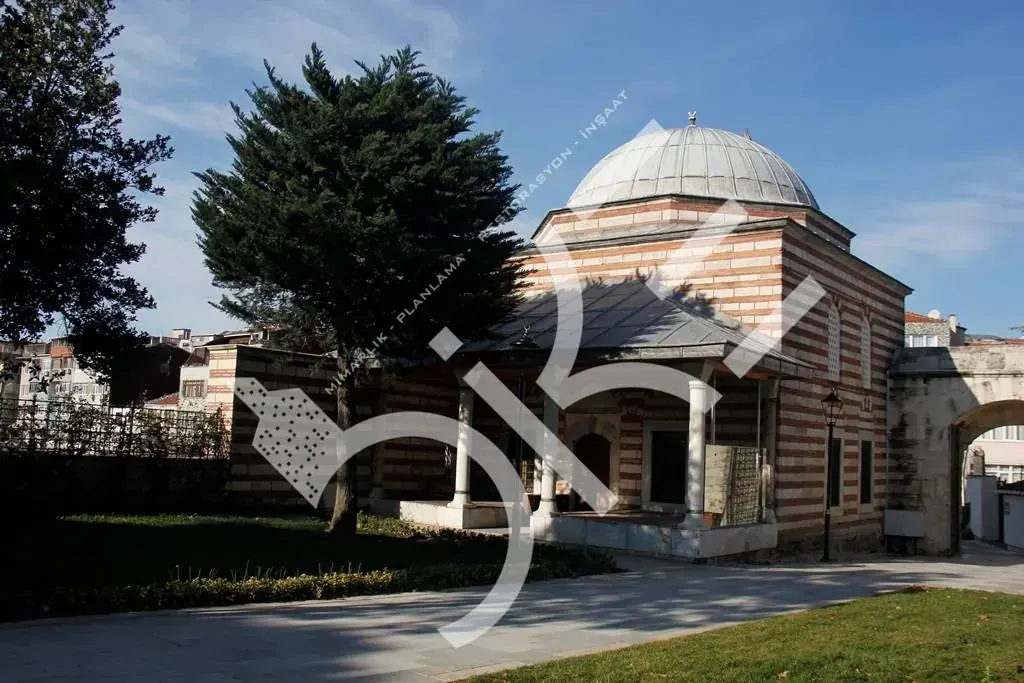
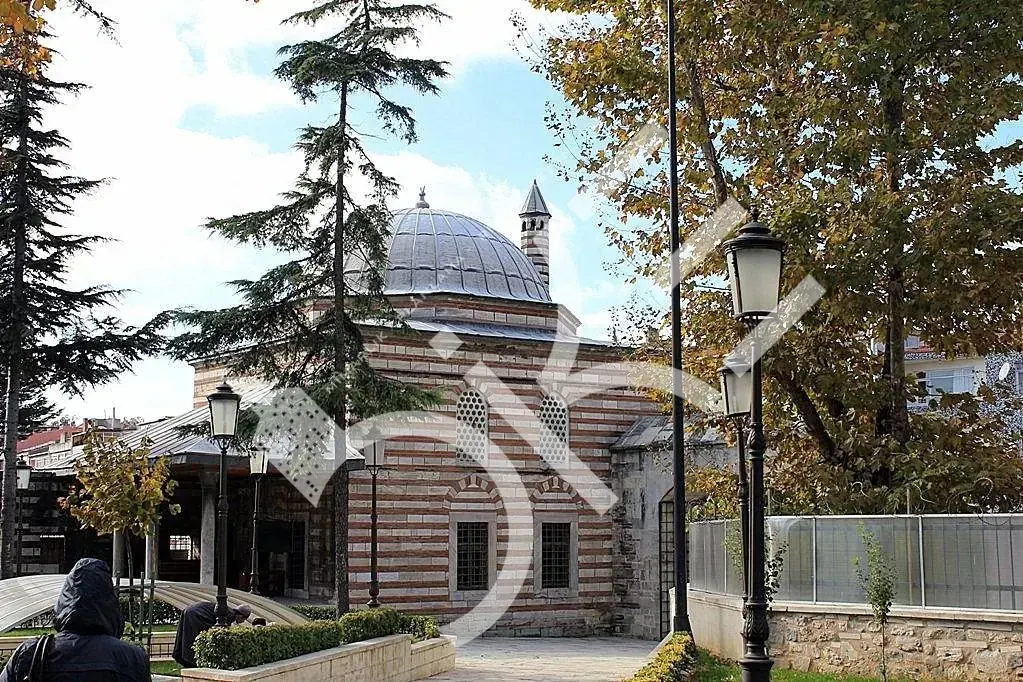
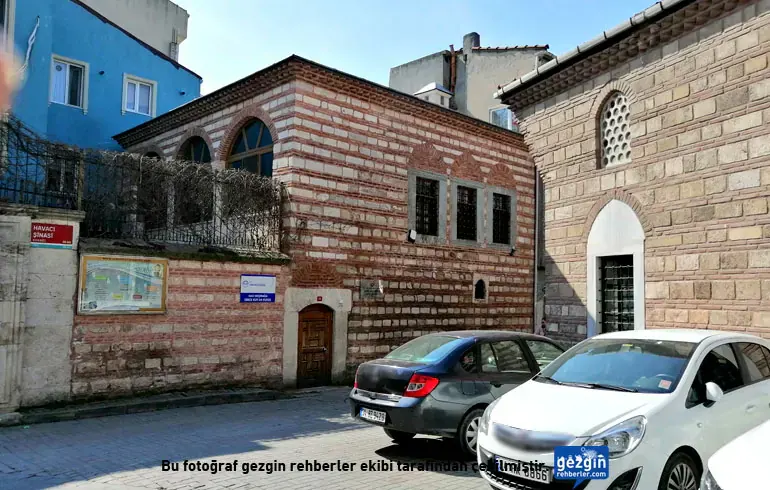
Fatih Mosque Primary School
Position Within the Complex, Function, Historical Process and Present State
1. Complex Context and Founding Layout
The Fatih Complex built by Mehmed the Conqueror between 1463 and 1470 was laid out with a symmetrical arrangement centred on the mosque. The complex's original programme included, alongside the mosque and madrasas, social and economic units such as the dârüşşifâ (hospital), tabhâne (guest house), imaret (soup kitchen), caravanserai, bath, bazaar (arasta) and khans, as well as a primary school. This integrated layout made the complex a centre combining not only worship but also education and public services.
2. Function of the Primary School
The primary school is considered one of the first-tier institutions within the complex's educational components. Although the complex is best known for the high-level Sahn-ı Semân madrasas, it is understood that a more basic level of education was also institutionalised within the continuity of learning. In this framework the primary school appears as an element completing the complex's scholarly and social functions.
3. Historical Process and Loss of Integrity
The Fatih Mosque and Complex has been subject to numerous disasters and interventions throughout history. The complex structures are recorded to have been damaged in the earthquakes of 1509, 1557, 1754, 1766, 1894 and 1999 and in the fires of 1782 and 1918; in particular, in the 1766 earthquake the mosque's main dome is said to have collapsed completely and the building to have been seriously ruined. Under Sultan Mustafa III the mausoleum and some complex buildings were rebuilt first; the mosque's reconstruction to a new plan is stated to have been completed in 1771.
In addition to these events, the complex did not survive to the present as a whole; some elements were lost entirely, and from the late 19th century onward new buildings in some areas disrupted the complex's original layout. This overall picture shows that the complex components, including the primary school, underwent change over time in terms of location, integrity and continuity.
4. Position Within the Complex's Waqf Order (Administrative–Operational Context)
The complex is stated to have generated high income within the waqf framework; in 1489–1490 its revenue was at a level of approximately 1.5 million akçe (about 30,000 gold ducats) and it yielded more income than the Hagia Sophia waqfs. The distribution of duties within the complex is described as being institutionally wide; large numbers of personnel served in units such as the mosque, madrasa, imaret and hospital, and the imaret provided daily bread distribution and meal service. These data show that the complex system, which also included educational institutions such as the primary school, rested on a broad network of public services sustained by waqf revenues.
5. Assessment
The Fatih Mosque Primary School is defined as a component representing basic-level education within the complex's multilayered educational programme. Within the complex's symmetrical urban layout and multi-component structure, the primary school forms part of post-conquest Istanbul's new cultural and institutional order together with the madrasas, library and other scholarly spaces. However, like the complex as a whole, the primary school is stated not to have reached the present in its original integrity because of disasters and interventions over time; from the 19th century onward new construction changed the complex's arrangement.
Images
Questions about this project? Get in touch
← Back to Restoration Projects