
Istanbul University Rectorate Building
Historical Process, Architectural Features and Functional Transformation
The Istanbul University Rectorate Building is one of the monumental structures that has stood at the centre of Istanbul's administrative, military and educational history for approximately a century and a half. By virtue of its location and the functions it has assumed, it has hosted different state institutions from the Ottoman period to the Republic and has been one of the spaces where many critical decisions were taken.
From the Old Palace to Bab-ı Seraskerî
The building stands on the site of the Old Palace (Eski Saray), the first palace built by the Ottoman Turks in Istanbul. The timber Old Palace, completed in 1458, consisted of the harem quarter and various pavilions. Sultan Mehmed the Conqueror lived here until the construction of and move to Topkapı Palace; thereafter the Old Palace was allocated to the families of deceased sultans.
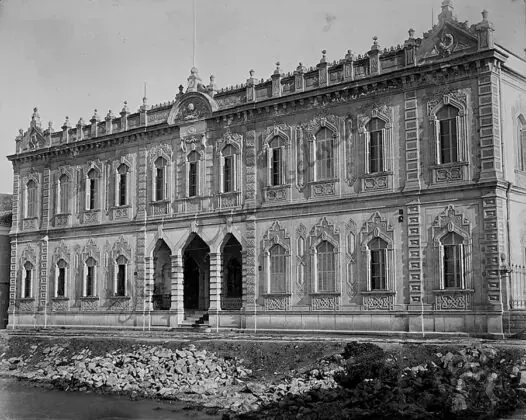
After the abolition of the Janissary Corps in 1826, the Old Palace was assigned to Bab-ı Seraskerî, the Ottoman Empire's new military organisation, and from that date the site was known as "Serasker Kapısı" (Serasker Gate). The timber Bab-ı Seraskerî building was demolished in 1864 and the present monumental structure was built in its place.
Construction and Uses of the Present Building
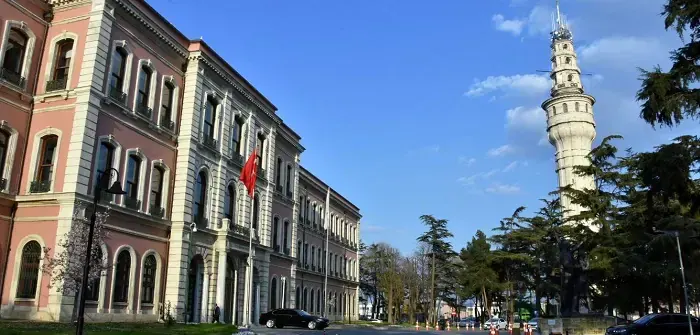
The central building standing today was designed by Bourgeois and completed in 1865–1866. Used from 1879 onward as the Ministry of War (Harbiye Nazırlığı—the Ottoman Empire's Ministry of National Defence), the building was allocated to Darülfünun following the proclamation of the Republic in 1923 and the move of the ministries to Ankara. The institution took the name Istanbul University after the University Reform of 1 August 1933.
Architectural Layout and Interior Spaces
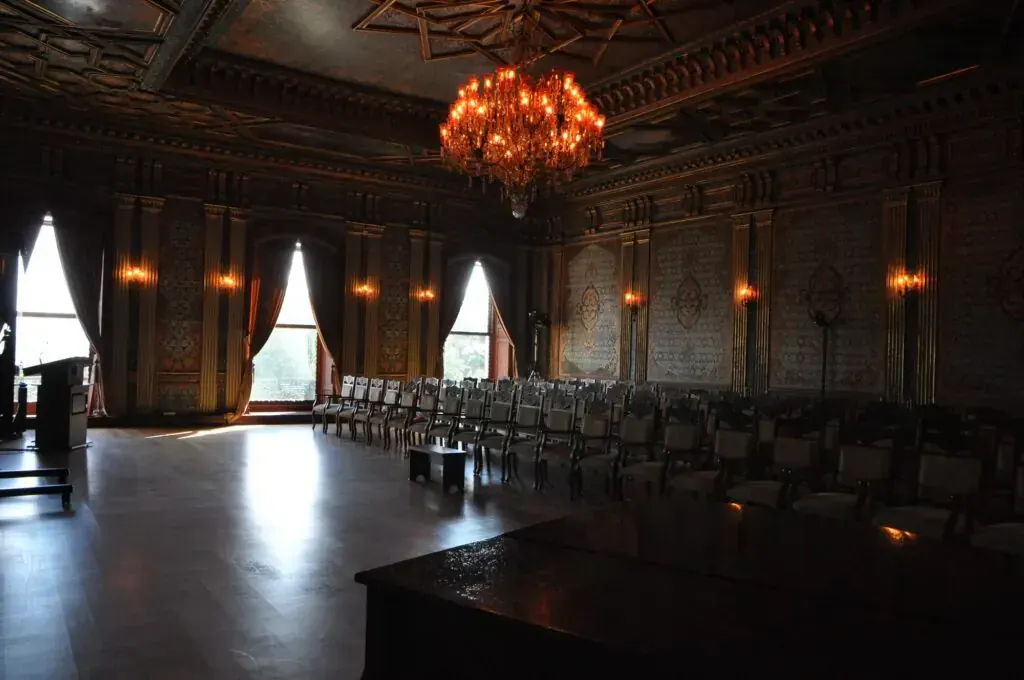
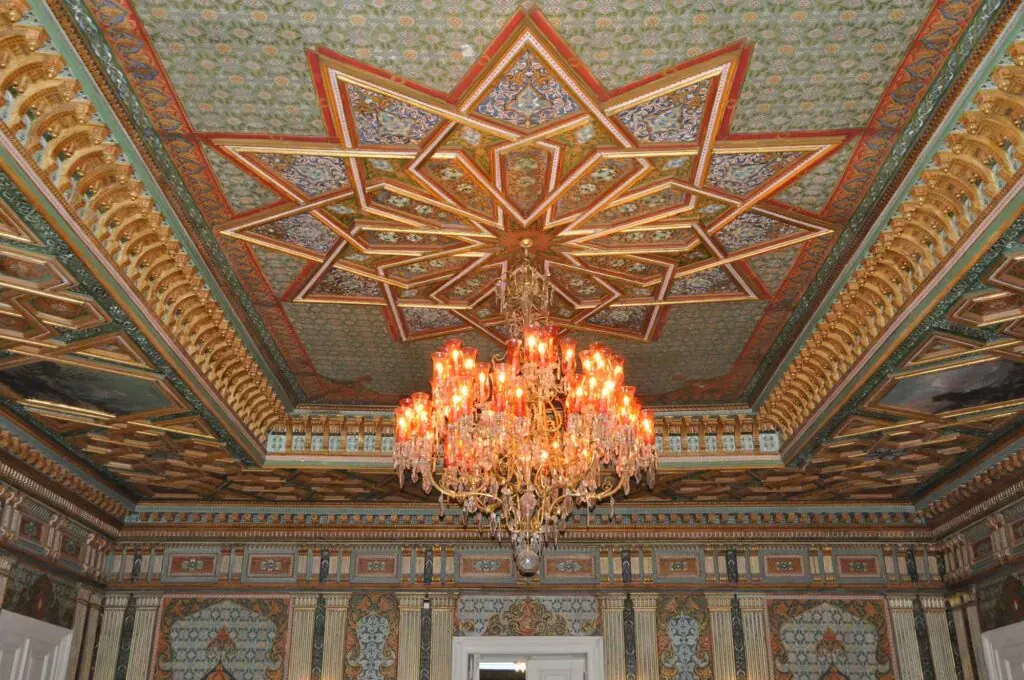
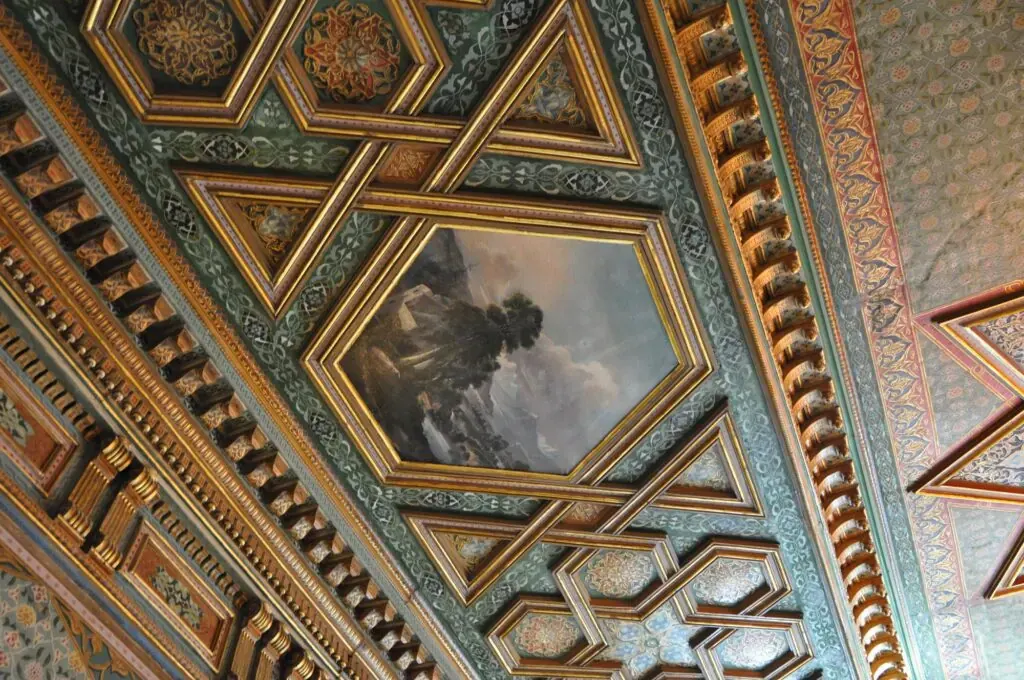
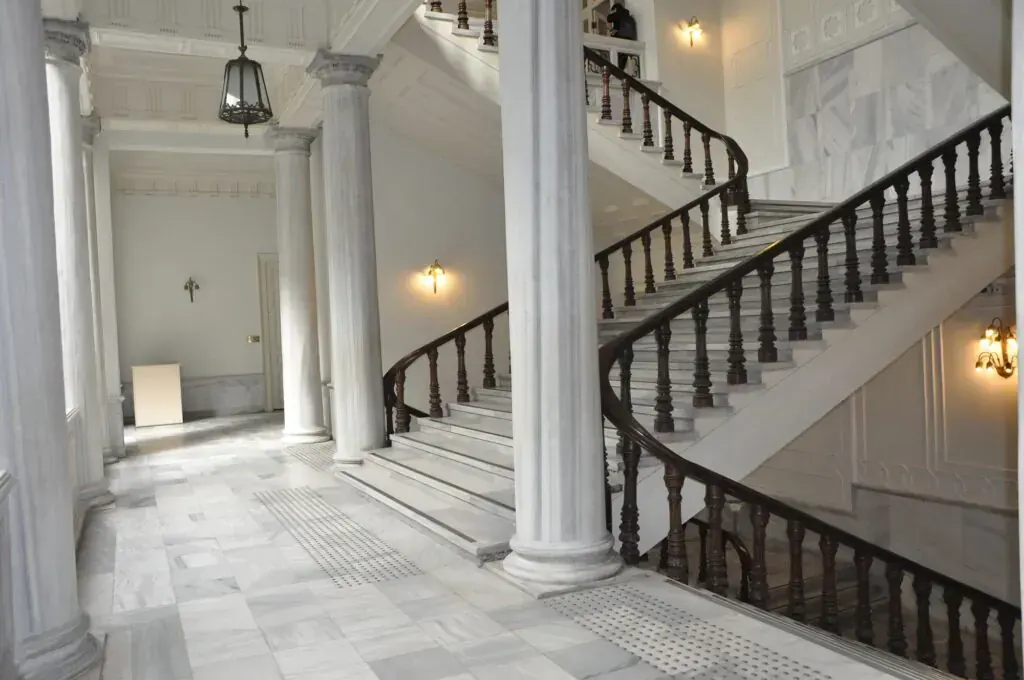
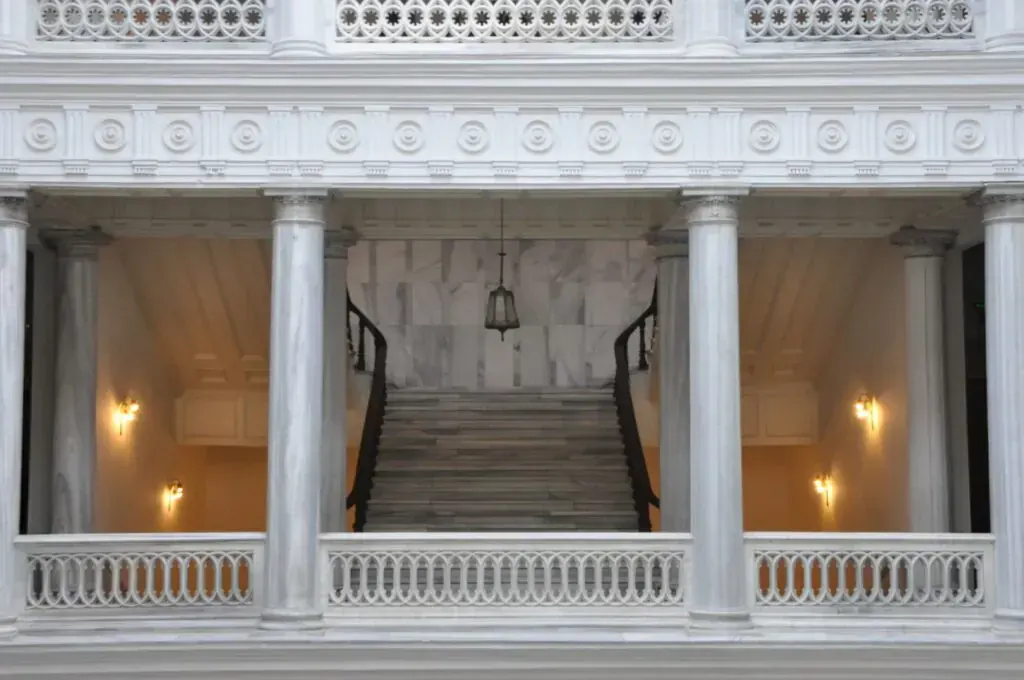
Designed as a three-storey structure, the building is arranged around a central garden. The main entrance opens onto a large courtyard; the upper floors are reached by stairways on the east and west sides of the courtyard. The plain, symmetrical facade layout is complemented indoors by a rich decorative scheme. Ceiling decorations and landscape paintings continue the tradition of ceiling–wall ornamentation that developed in the 17th and 18th centuries.
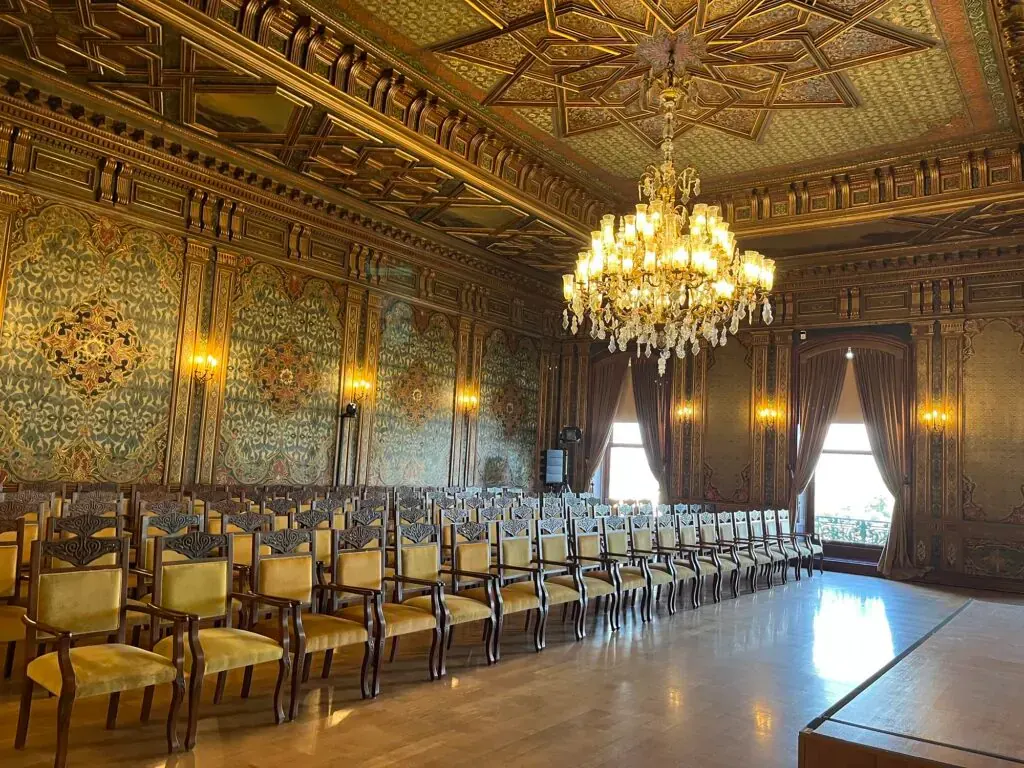
Marble columns, stonework and in particular the Blue Salon (Mavi Salon) and Pink Salon (Pembe Salon) on the second floor are among the most striking parts of the building. These halls, arranged in an Orientalist style, stand out with their ceiling and wall decorations reflecting the building's overall decorative character.
Historic Functions and Original Spaces
The space used today as the Rector's Office was the office of the Minister of War (Harbiye Nazırı) in the Ottoman period. Many critical decisions regarding the Balkan Wars and the First World War were taken in this room; the desk of Enver Pasha, who served as Minister of War between 1914 and 1918, has survived in the room to the present day.
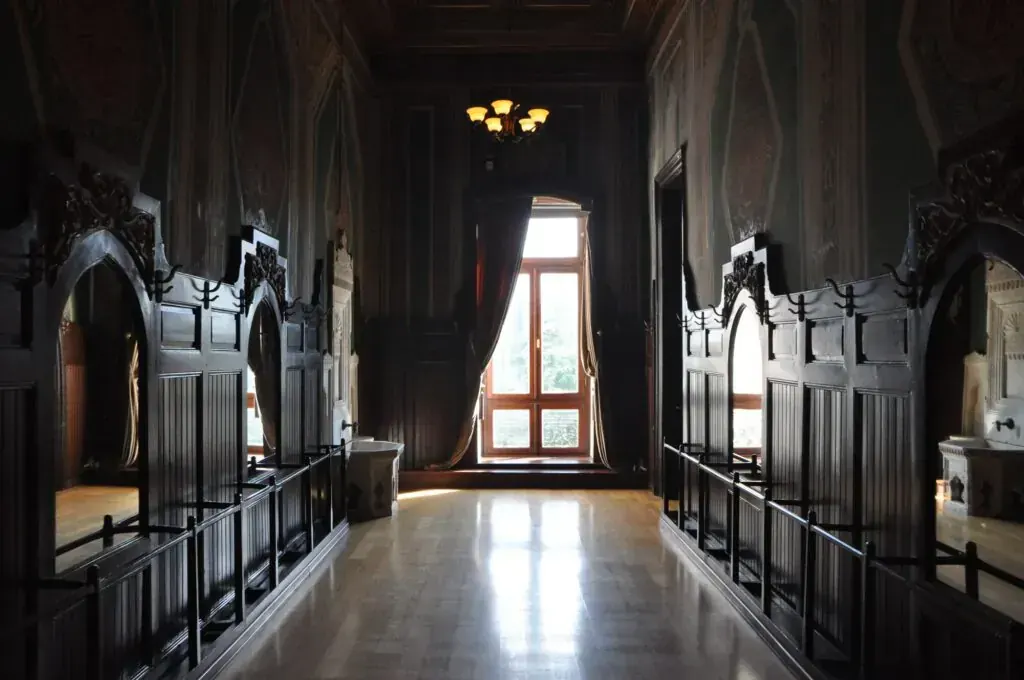
The Sword Hall (Kılıçlık Salonu), now used as a meeting room, was in the Ottoman period the space where officers' sword-girding ceremonies were held. The section adjacent to the hall was used before the ceremony for depositing swords, hanging coats and ablution.
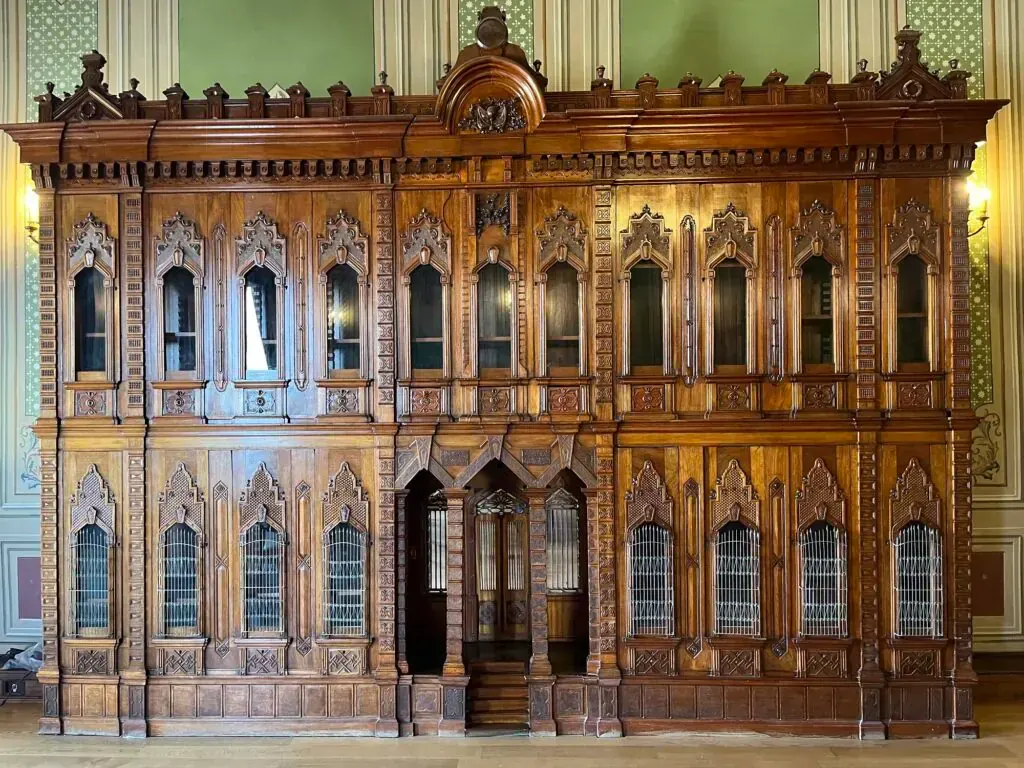
The model library prepared by the teachers and students of İzmir Hamidiye Industrial School, based on the building's front facade in commemoration of the 25th anniversary of Sultan Abdülhamid II's accession to the throne, is today displayed in the Doctoral Hall (Doktora Salonu).
Repairs and the Building Today
Damaged in the 1894 Istanbul earthquake, the building was repaired by Raimondo D'Aronco; in 1950 it was again addressed by Ekrem Hakkı Ayverdi. The structure has undergone maintenance and repairs in various periods; facade and marble cleaning was carried out in 1998.
With its multilayered past stretching from the Old Palace to Bab-ı Seraskerî and from the Ministry of War to modern university administration, the Istanbul University Rectorate Building continues to exist as a symbolic and monumental architectural heritage that unites Istanbul's political, military and academic history within a single structure.
Images
Questions about this project? Get in touch
← Back to Restoration Projects