
Beşiktaş Sinanpaşa Mosque Sultan's Pavilion
Historical Background, Architectural Features and Restoration Approach
1. Historical and Urban Context of the Structure
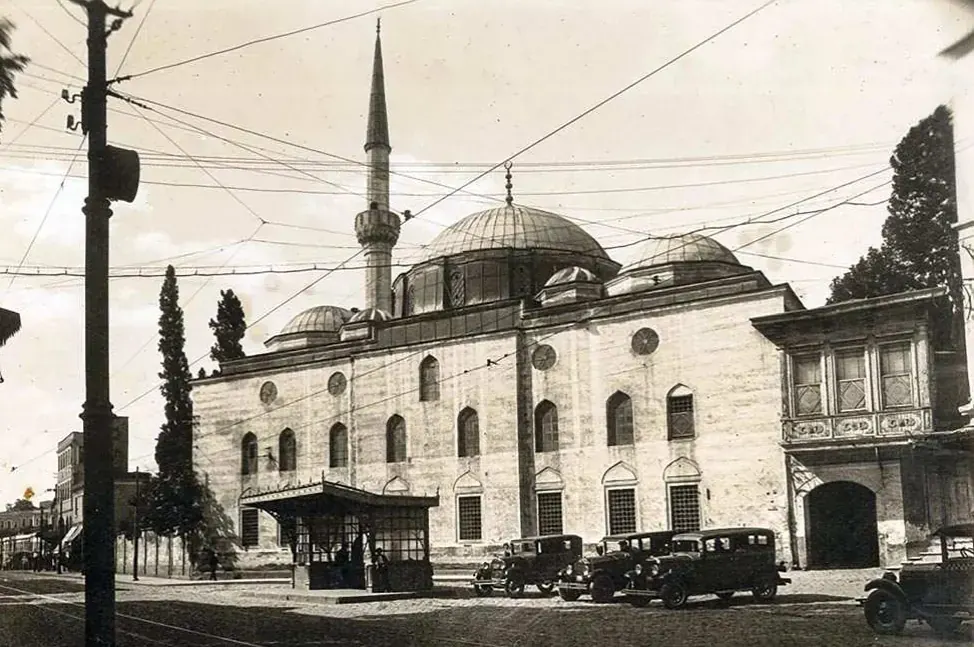
Beşiktaş Sinanpaşa Mosque is one of the important works of the Ottoman classical period and was built in the 16th century. With the shift of Istanbul's centre of government and representation to the Beşiktaş waterfront in the 19th century, the mosque regained importance within the framework of Friday salutations that ensured the sultan's public visibility. In this process, a wooden sultan's pavilion linked to the sultan's gallery was added to the mosque.
The sultan's pavilion is situated adjacent to the southeast facade of the mosque, in a position commanding the sea and the shoreline. This location shows that the pavilion was not only a functional annex but also an element that made the sultan's symbolic presence visible in the urban silhouette.
2. Architectural Features of the Sultan's Pavilion
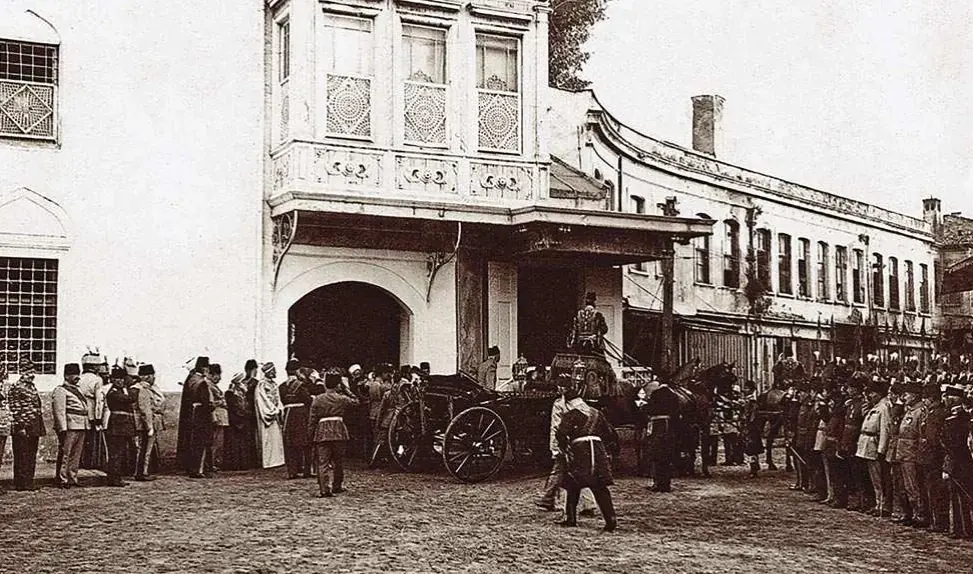
The sultan's pavilion added to Beşiktaş Sinanpaşa Mosque is a raised (fevkânî) wooden structure. A large part of the building sits over the cemetery gate and projects from the facade on iron corbels, creating a cantilevered mass. Access to the pavilion is through a wooden double-leaf door; in front of the door is an eave carried on a single wooden post.
On the facade facing the sea there are triple window groups; these windows are covered with pierced wooden grilles. In the facade decoration, appliqué ornaments consisting of a central star and crescent motifs on either side are notable. Because these ornaments are at the most visible point of the pavilion, they are directly associated with imperial symbols.
Inside, the sultan's gallery connected to the pavilion is located to the left of the mihrab in the prayer hall; the gallery is again defined by pierced grilles. This arrangement shows that the pavilion–gallery relationship was handled with functional and visual unity.
3. Historical Process and Structural Changes
Existing architectural data and visual records suggest that the Beşiktaş Sinanpaşa Sultan's Pavilion may have been rebuilt or undergone extensive repair in the second half of the 19th century. In particular, the use of iron corbels, the facade layout and the decorative approach are consistent with the architectural character of that period.
The pavilion is seen in detail in photographs taken when Sultan Mehmed VI Vahideddin came to Beşiktaş Sinanpaşa Mosque for the Eid prayer in 1919. These images document both the architectural presence of the pavilion and its continued active use in the late Ottoman period.
4. Function of the Sultan's Pavilion
The sultan's pavilion was designed for the sultan to rest, prepare and pass in a controlled manner into the mosque before the Friday salutation. The sofa and related spaces on the upper level were private areas allocated to the sultan, oriented towards the view and the main transport axis. In this respect the pavilion shows a strong affinity with Ottoman palace residential architecture.
5. Restoration Approach
The main aim in the restoration of the Beşiktaş Sinanpaşa Sultan's Pavilion is to preserve the 19th-century character of the structure together with its materials and details and to make its original architectural identity visible again. In the restoration process:
- Conservation of wooden structural elements in a manner consistent with the original fabric,
- Treatment of iron corbels, wooden grilles and facade decorations in accordance with the original,
- Ensuring the legibility of the spatial relationship between the pavilion and the sultan's gallery,
- Preserving the historical unity the structure maintains with the mosque and the cemetery
have been taken as the basis.
6. Assessment
The Beşiktaş Sinanpaşa Sultan's Pavilion is an architectural reflection of the Ottoman Empire's 19th-century understanding of political representation and sultan–city relations. Although added later to a classical-period mosque, with its period residential architecture, use of materials and symbolic language it is among Istanbul's rare wooden sultan's pavilions. The restoration of the structure is not only an intervention for a single architectural element but also an important step towards preserving the imperial spatial memory shaped along the Beşiktaş shoreline.
Images
Questions about this project? Get in touch
← Back to Restoration Projects