Surp Pırgiç Armenian Catholic Church
Historical Background, Architectural Features and Religious–Social Meaning
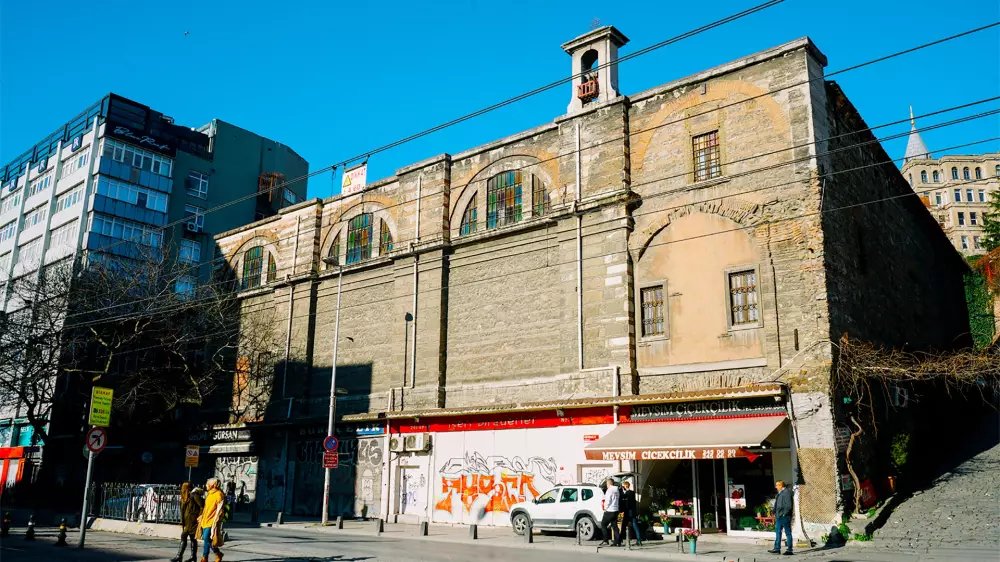
Surp Pırgiç Armenian Catholic Church holds a special place in Istanbul's multilayered religious and cultural heritage as the first Armenian Catholic church built in the city. Located in Beyoğlu on Kemeraltı Street along the Galata–Karaköy axis, the building was realised in the reign of Mahmud II after long efforts by the Armenian Catholic community. On a plot purchased with donations collected among the faithful, the foundation was laid on 12 May 1832 once the necessary permits were obtained, and the church was opened for worship on 13 January 1834.
Architectural Layout and Spatial Organisation
The structure has a wide-domed basilica plan. The central space is covered internally with vaults and half domes and externally with a flat roof. Six piers linked by architraves, the main entrance reached by steps and especially the columned entrance on the facade facing Kuyu Street give the building the feel of an ancient Greek temple. Despite a mass that appears relatively heavy and closed from outside, the proportions and axial order of the interior create a monumental and symbolic effect.
The projecting main apse is treated in an architectural composition reminiscent of fresco; in the niche arrangement, figures representing Surp Tatyos and Surp Partoghemios are placed. The small apsidal chapel beside the main apse was used as the baptistery.
Altars, Iconography and Religious Practice
The church contains five separate altars. One is dedicated to the Virgin Mary; in this space enclosed by slender columns and curtains, Mary and the Child Jesus are depicted with royal crowns. During a plague outbreak in Istanbul while the building was under construction, the Armenian Catholic community processed through all the city streets with this icon on 25 March; the epidemic's rapid end was linked to this event. Thereupon Sultan Mahmud II presented the church with a silver pin in the shape of a comet, set with diamonds.
Since then, this event has been commemorated as part of "Memorial Day" (or merelots) following the Easter feast, with the solemn liturgy (badarak), prayers for the dead (hokehankist) and the symbolic carrying of the miraculous Virgin Mary icon (tapor).
After the church opened, the first spiritual head of the Armenian Catholic community was Archbishop Andon Nurican.
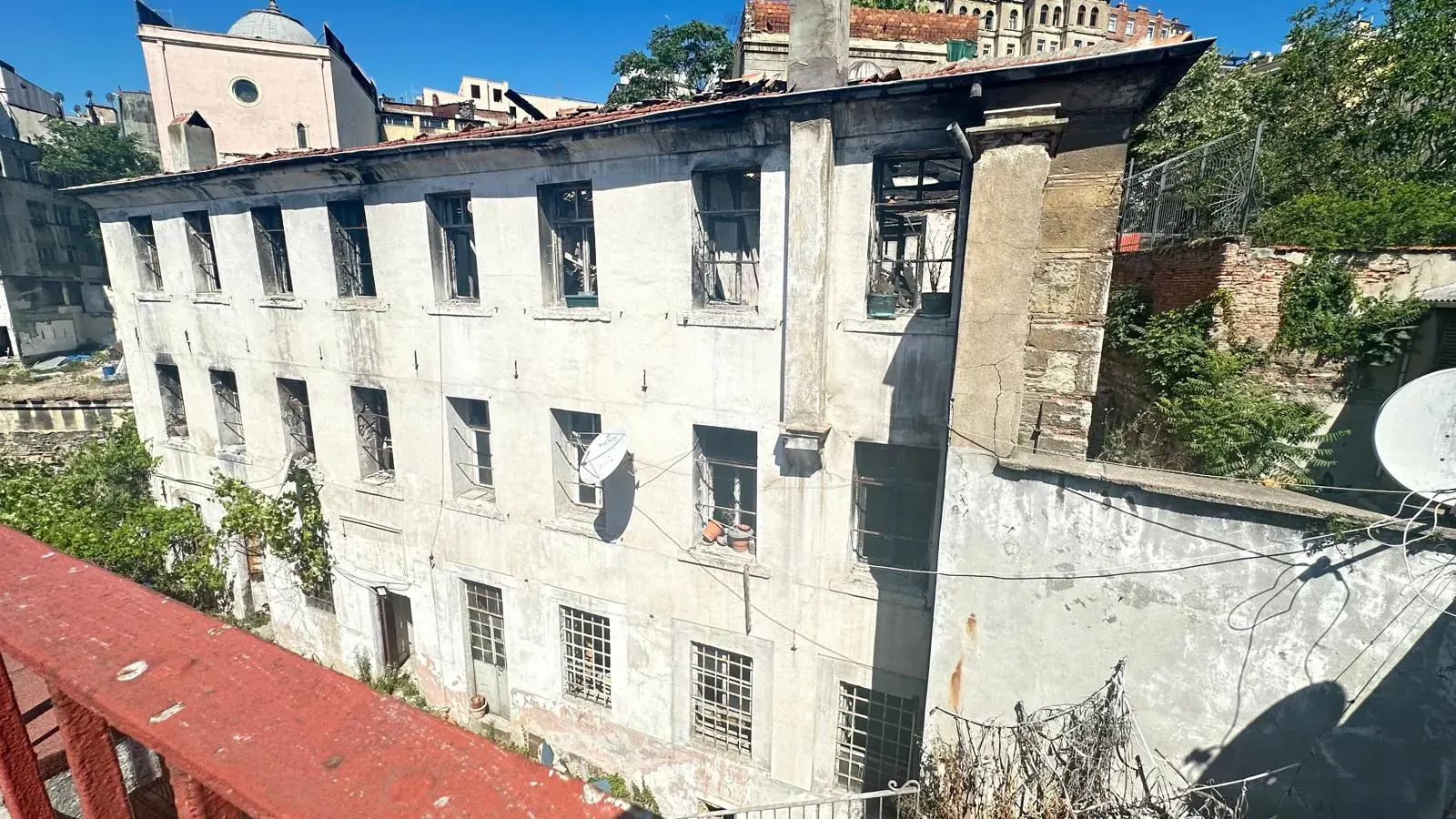
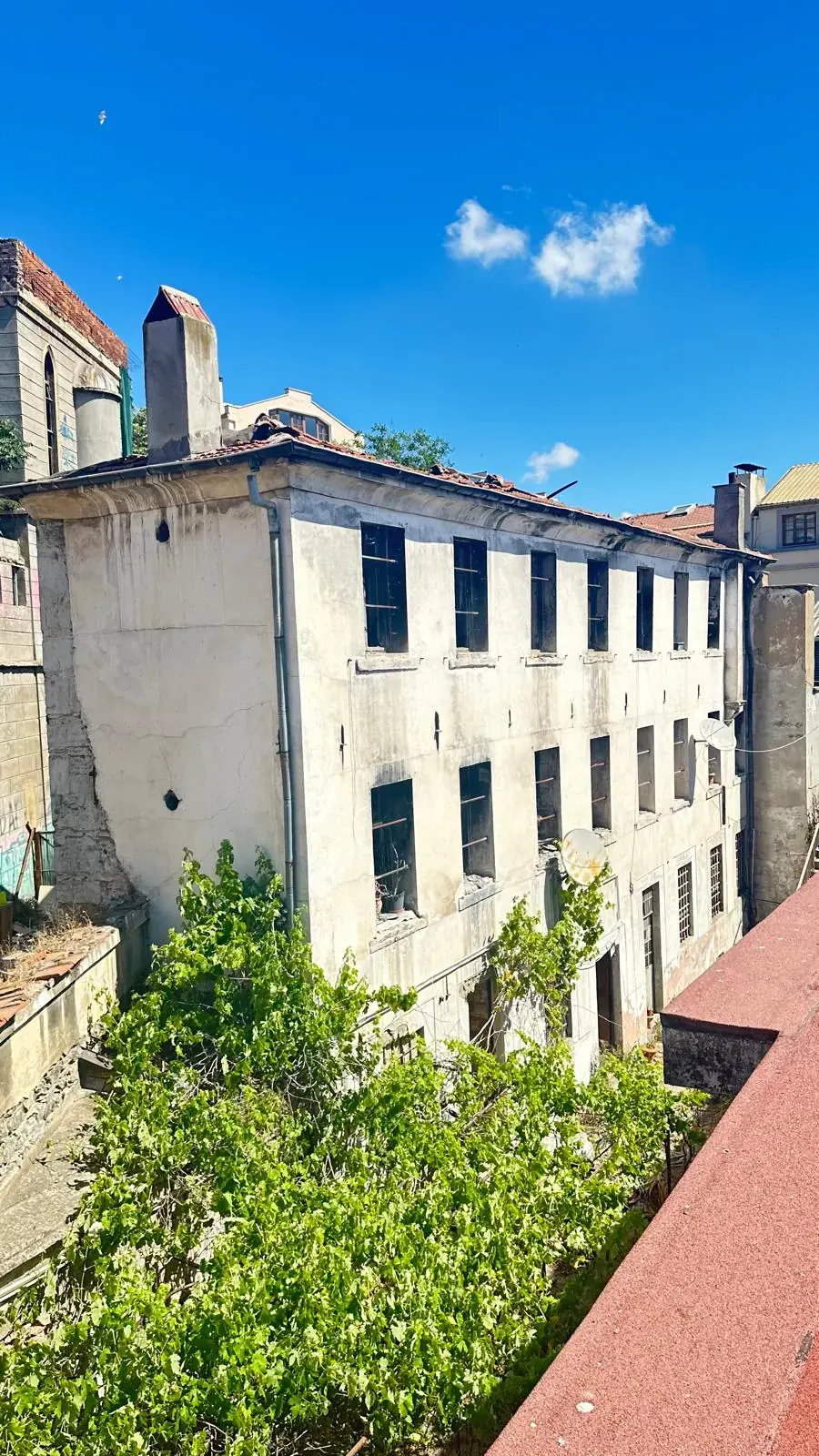
Surp Pırgiç Armenian Hospital Chapel
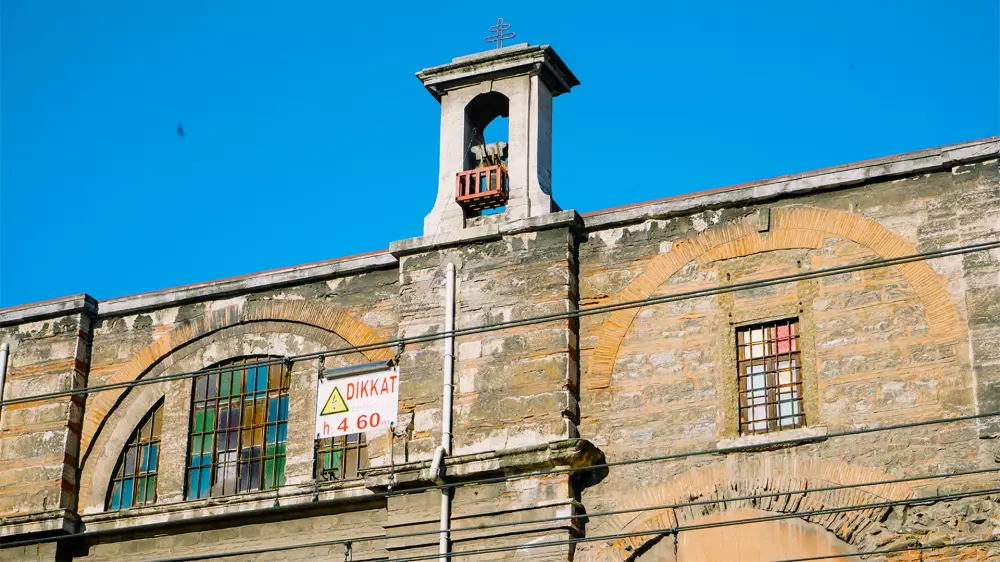
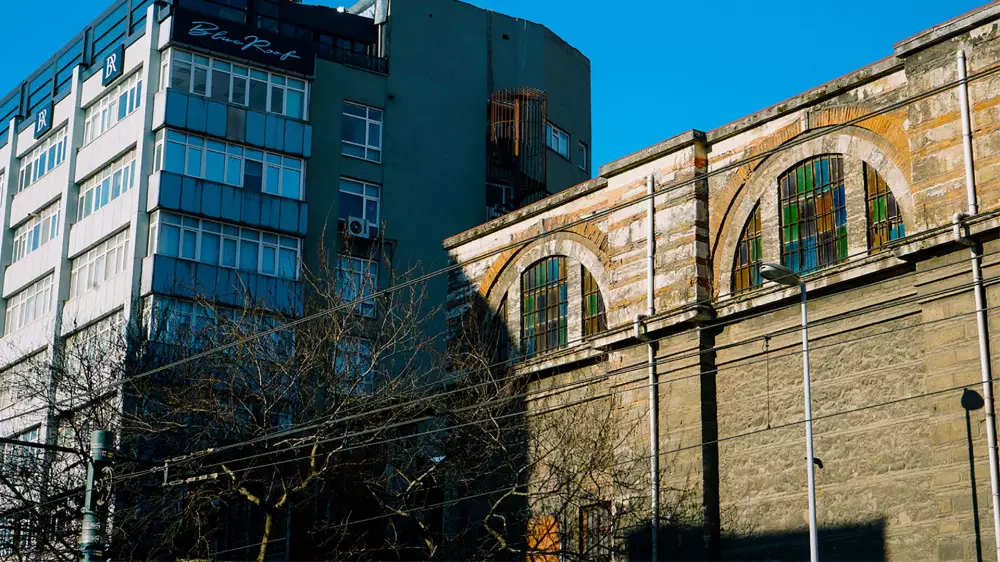
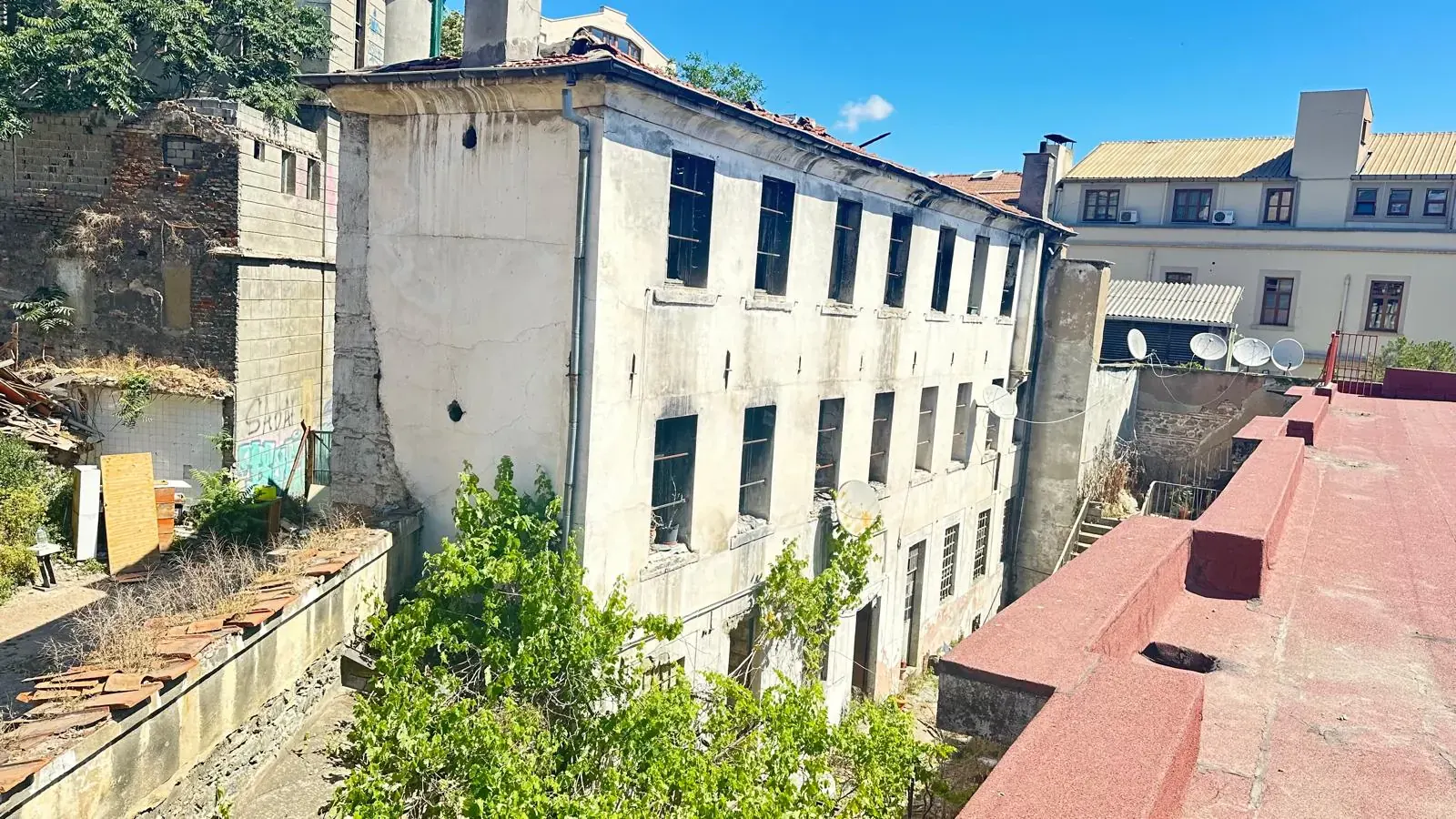
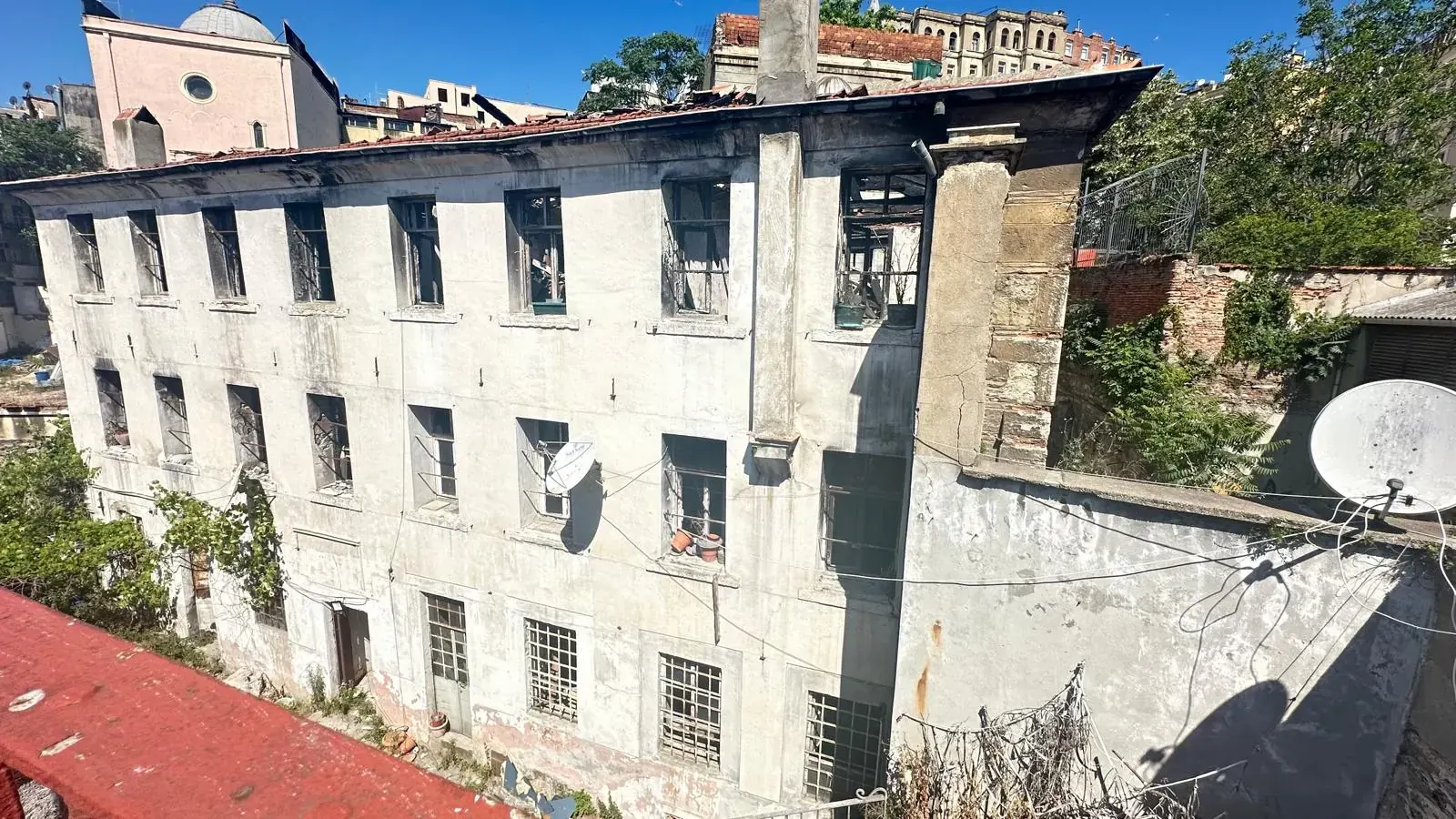
The Surp Pırgiç Armenian Hospital Chapel, part of the Surp Pırgiç complex, was built to meet the spiritual needs of patients and nursing-home residents. First built in wood by Harutyun Amira Bezciyan, it was opened for worship in 1834 by Patriarch İsdepanos Ağavni. Hovhannes Amira Serveryan was one of Bezciyan's chief supporters during construction, while Garabed Amira Balyan played an important role in the architectural design.
Having deteriorated over time, the chapel was renewed in 1906 through the charity of the Akatan and Garabed Tahtaburunyan brothers, by the architects Krikor Melidosyan and Yeğiazar Avedisyan, and was reopened by Patriarch Mağakia Ormanyan. In 1966 it underwent comprehensive maintenance by the architect Yetvart Şahbaz; an upper gallery (vernadun) was added to the interior. After a thorough repair in 2005, the building was consecrated by Patriarch Mesrob II and reopened for worship.
Courtyard and Graves
In the church courtyard are graves of the Gulbenkian family, among the leading benefactor families of the Armenian community in the Ottoman and Republican periods. This area shows that the building functions not only as a place of worship but also as a space of collective memory and commemoration.
Surp Pırgiç Today
Today Surp Pırgiç Armenian Catholic Church continues as an active place of worship and also hosts cultural and social events. The church foundation carries out various activities both to preserve the architectural heritage and to strengthen community solidarity. In this respect Surp Pırgiç is an important building that embodies Istanbul's multicultural past and serves as a social as well as a religious centre.
Images
Questions about this project? Get in touch
← Back to Monument Works